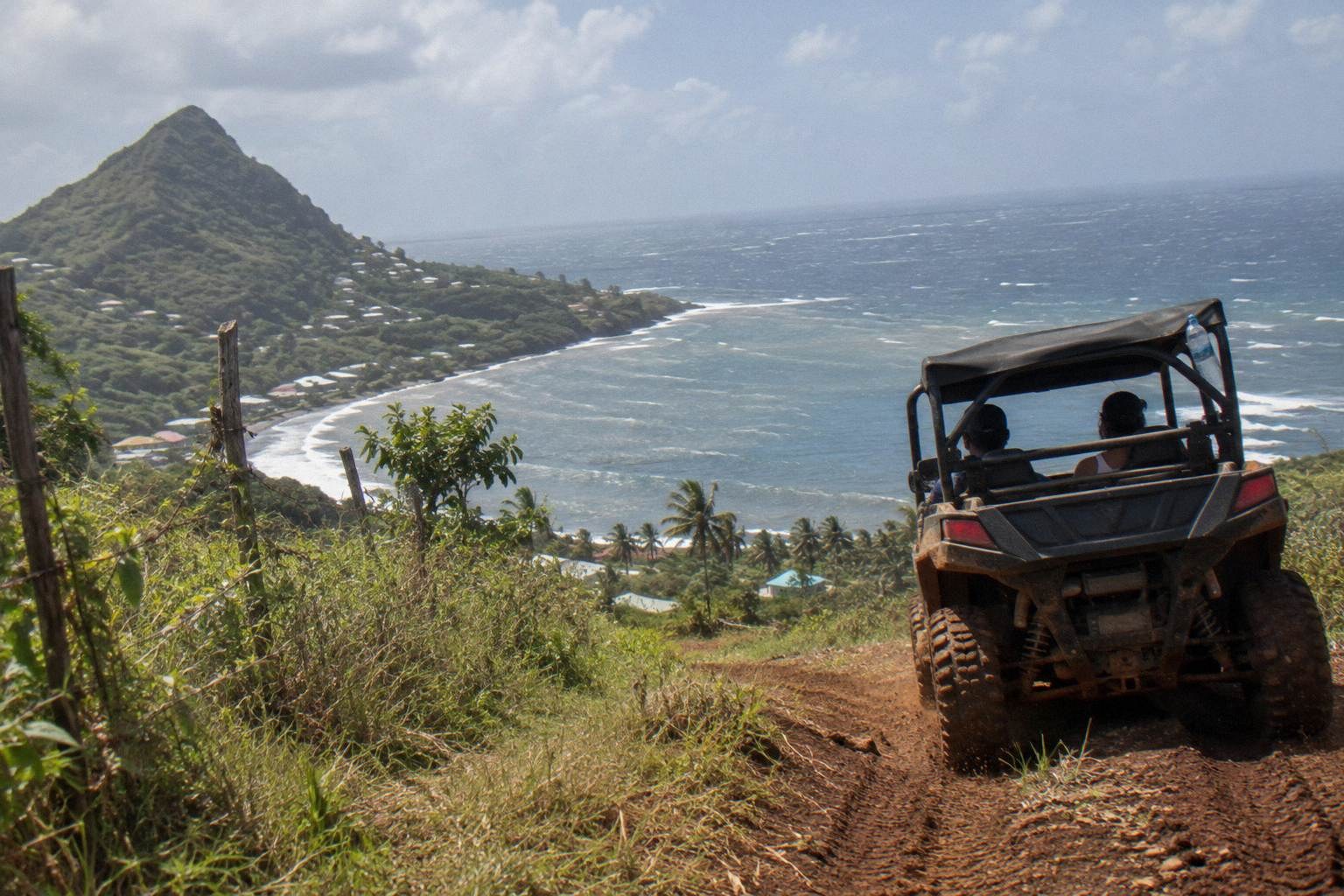
Should You Wear Pants On An ATV Tour?
What Saint Lucia's official guidance and operator rules actually say about pants, shorts and footwear on an ATV tour, plus a checklist of what to ask before you book.
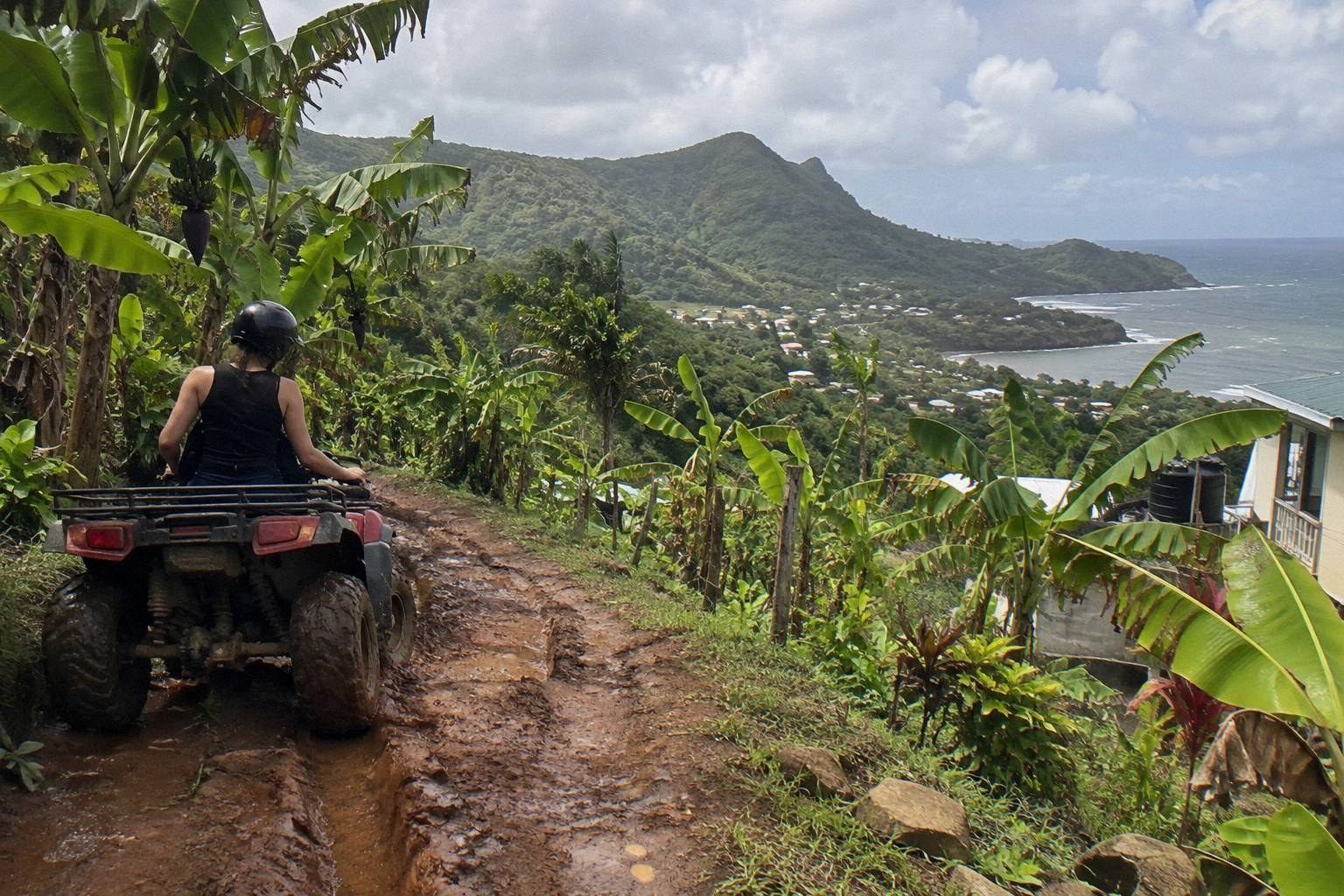
No Saint Lucia source requires pants on an ATV tour. The Saint Lucia Tourism Authority's guidance for off-road riding lists sturdy sneakers or hiking sandals, light layers suitable for dust, mud and changing terrain, and sunscreen and hats for open-top vehicles, and it says nothing about trousers. Whether you wear pants is your call, and the one thing worth doing before you decide is to ask the operator when you book, since each operator sets its own rules.
That answer surprises people who expected a hard rule. Quad biking in Saint Lucia sits in a strange information gap: the island's official tourism guidance covers footwear, layers and sun protection in detail, the operators publish rules about helmets, conduct and alcohol, and neither layer of sources says a word about whether your legs need covering. So instead of repeating a rule that does not exist, the guide here works through what is actually stated, what it implies about fabric and fit, and how to decide based on the kind of rider you are.
One caveat up front, and only one: the sources hold no statement on pants, shorts or closed shoes for any individual tour, so if a clothing rule matters to your decision, ask the operator when you book. Everything below is built from the official guidance and the operators' own published pages, not invented trail lore.
Start with the three rides most readers compare, since what each lists as included tells you a lot about what you will be wearing on top of your own clothing.
What The Official Guidance Actually Says
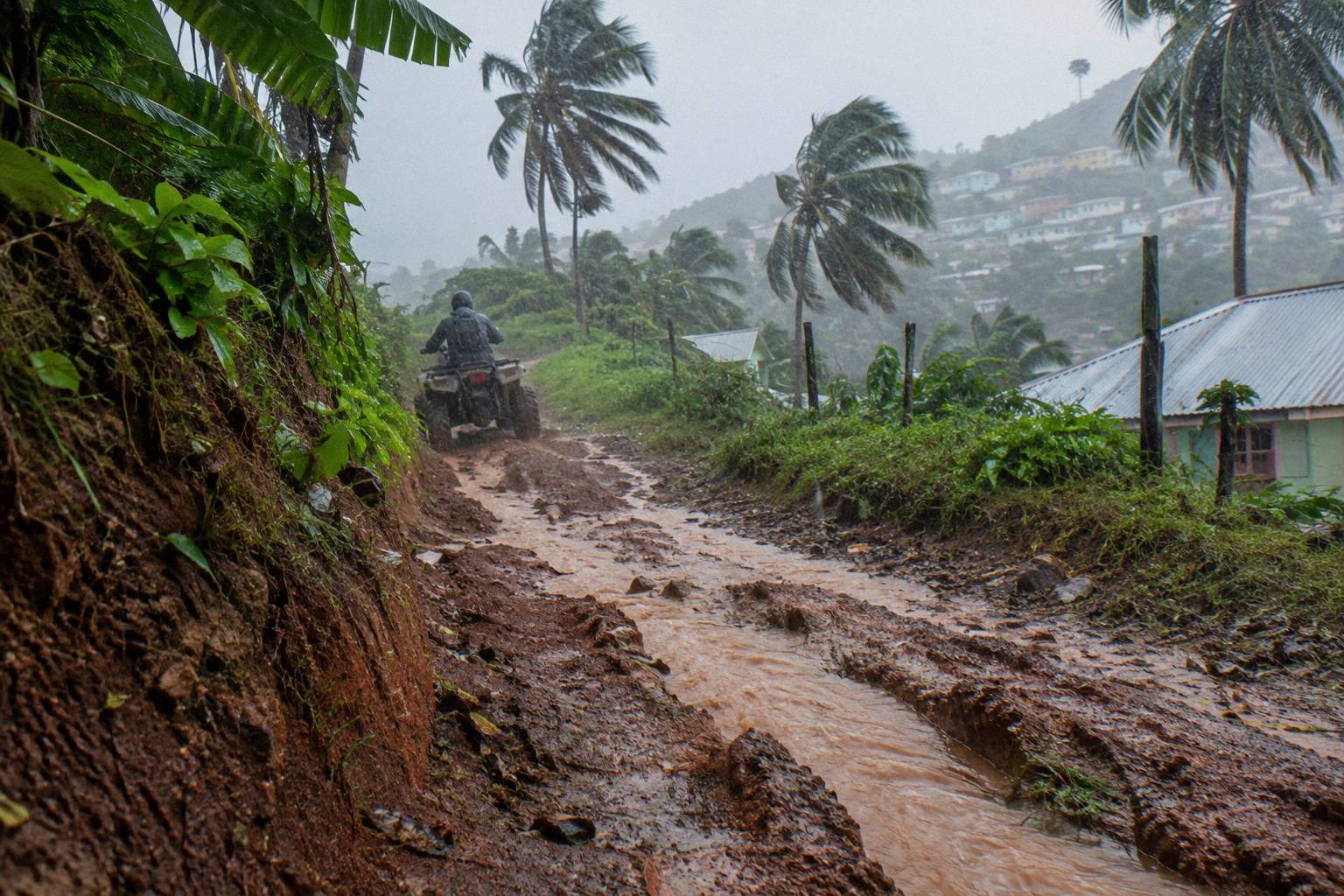
The Saint Lucia Tourism Authority's Know Before You Go advice for off-road tours names three things: sturdy sneakers or hiking sandals on your feet, light layers suitable for dust, mud and changing terrain on your body, and sunscreen and hats as essential for open-top vehicles. Pants appear nowhere in the list. The word to notice is layers, which points at adaptable clothing rather than a specific garment, and the reasoning is terrain, not a dress code.
That guidance comes from the same page that frames the choice between vehicle types: the Tourism Authority describes guided 4x4 jeep tours as a more relaxed experience and ATVs as a closer connection to the terrain. The closer connection is exactly why clothing gets a mention at all. An open-top vehicle on a Caribbean island exposes you to sun from above and whatever the trail throws up from below, and the authority's answer to both is light layers plus sun protection, not heavy coverage. You can read the driving context on the island's own official tourism site, which also reminds visitors that Saint Lucia drives on the left.
The same official page carries the only health line the sources contain: drivers must be 21 or over with a valid licence, and off-road riding is not recommended for pregnant travellers or those with back conditions. That is a medical statement from the authority, and the guide here will not go beyond it. If you want the fuller licence picture, the guide to age limits and licence rules for quad biking covers it.
What does light layers mean in practice? It means clothing you can add or shed as the trail, the weather and your speed change, chosen so that dust and mud are an inconvenience rather than a ruined outfit. A rider in long, light trousers and a rider in shorts are both within the stated guidance; the guidance is asking for adaptability, which some fabrics deliver better than others.
What The Operators Themselves List
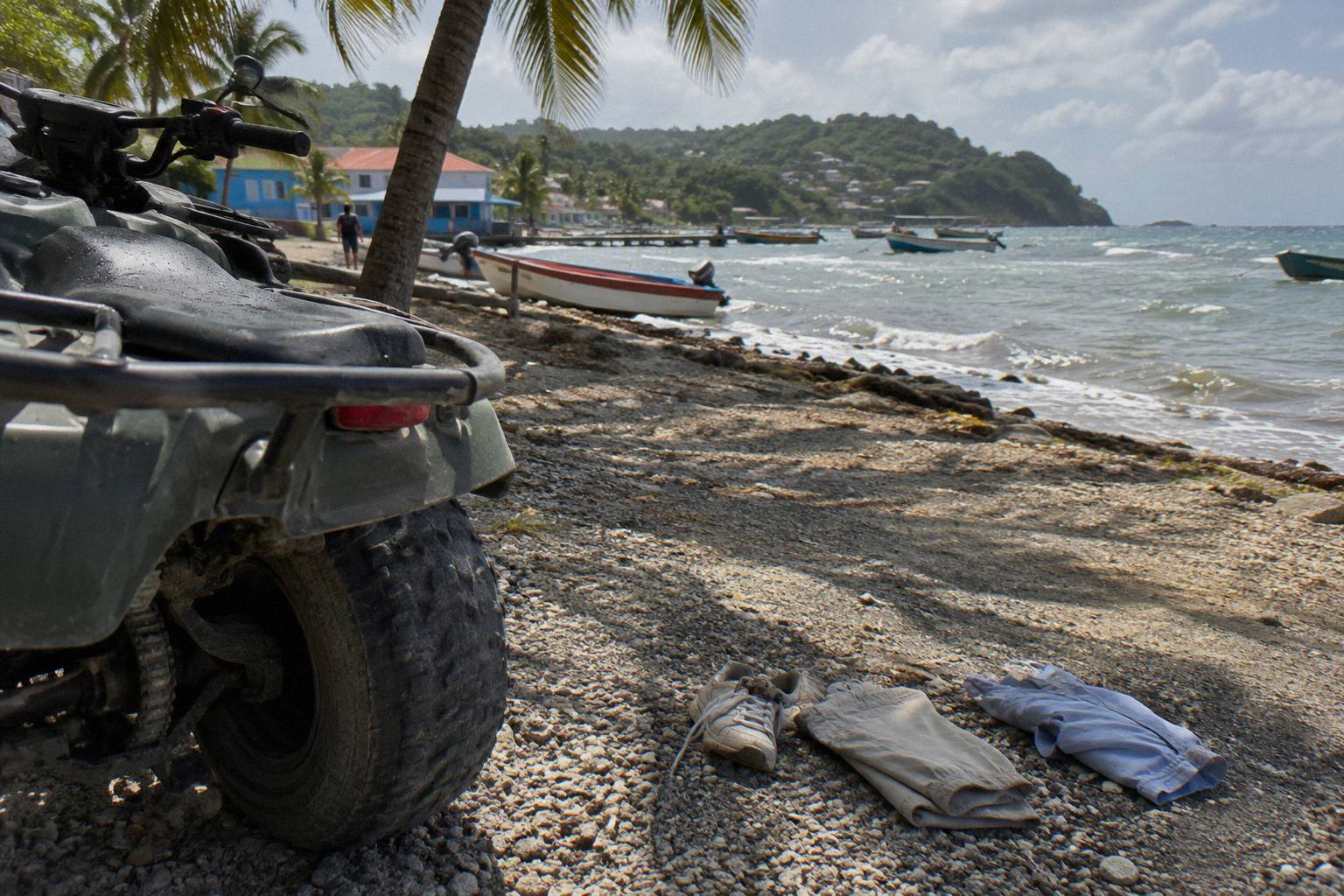
Only one operator covered here publishes a clothing-adjacent rule: +Venture ATV states that helmets and protective gear are provided and must be worn, alongside a waiver, a safe speed through villages and no alcohol before or during the ride. Aanansi ATV Tours publishes a welcome, a safety briefing and riding instruction, but nothing about clothing. Every other tour's booking page says nothing on the matter, so the plain line for each is to ask the operator.
The distinction matters more than it looks. Protective gear provided is the strongest clothing statement anywhere in the sources: it means the operator supplies and requires equipment that covers you in ways your own outfit might not. On the "+Venture ATV: Waterfall, Plantation, Beach And Distillery" ride from the Anse La Raye area, from US$135 per person and rated 4.9 from 448 reviews, helmets and protective gear are listed alongside the waterfall entrance fee, a farm tour and a distillery tour, all included, with free cancellation up to 24 hours before. Where gear is supplied, your own pants question shrinks, though it does not disappear.
Aanansi ATV Tours at Marquis Estate, from US$107.50 per person and rated 4.7 from 1,108 reviews, lists a local guide, use of all necessary equipment, bottled water or fruit juice, and hotel pickup and drop-off from selected Castries or Gros Islet hotels and seaports. Equipment is listed without naming helmets, so nothing is written here about helmets for that tour; if it matters to you, that is a question for the booking desk. The same logic applies to the rest of the rides covered here: where the booking page is silent, the answer lives with the operator, not in guesswork.
Here is the full picture of what is actually stated, item by item.
| Item | What the Tourism Authority says | What an operator lists |
|---|---|---|
| Footwear | Sturdy sneakers or hiking sandals | Not addressed by any operator's booking page |
| Body clothing | Light layers suitable for dust, mud and changing terrain | Not addressed by any operator's booking page |
| Sun protection | Sunscreen and hats essential for open-top vehicles | Not addressed by any operator's booking page |
| Helmets | Not part of the published guidance | Provided and must be worn, per +Venture ATV's rules page |
| Protective gear | Not part of the published guidance | Provided by +Venture ATV; use of a helmet listed on the Jeep And Zipline Adventure |
| Head covering under helmets | Not addressed | Not addressed; ask the operator when you book |
Notice the pattern: the official guidance owns the clothing advice, and the operators own the equipment rules. Neither crosses into the other's territory, which is why no source answers the pants question directly. The piece on what to wear and bring on a quad ride builds out the full kit list from the same sources.
Pants Or Shorts: A Decision By Fabric And Rider
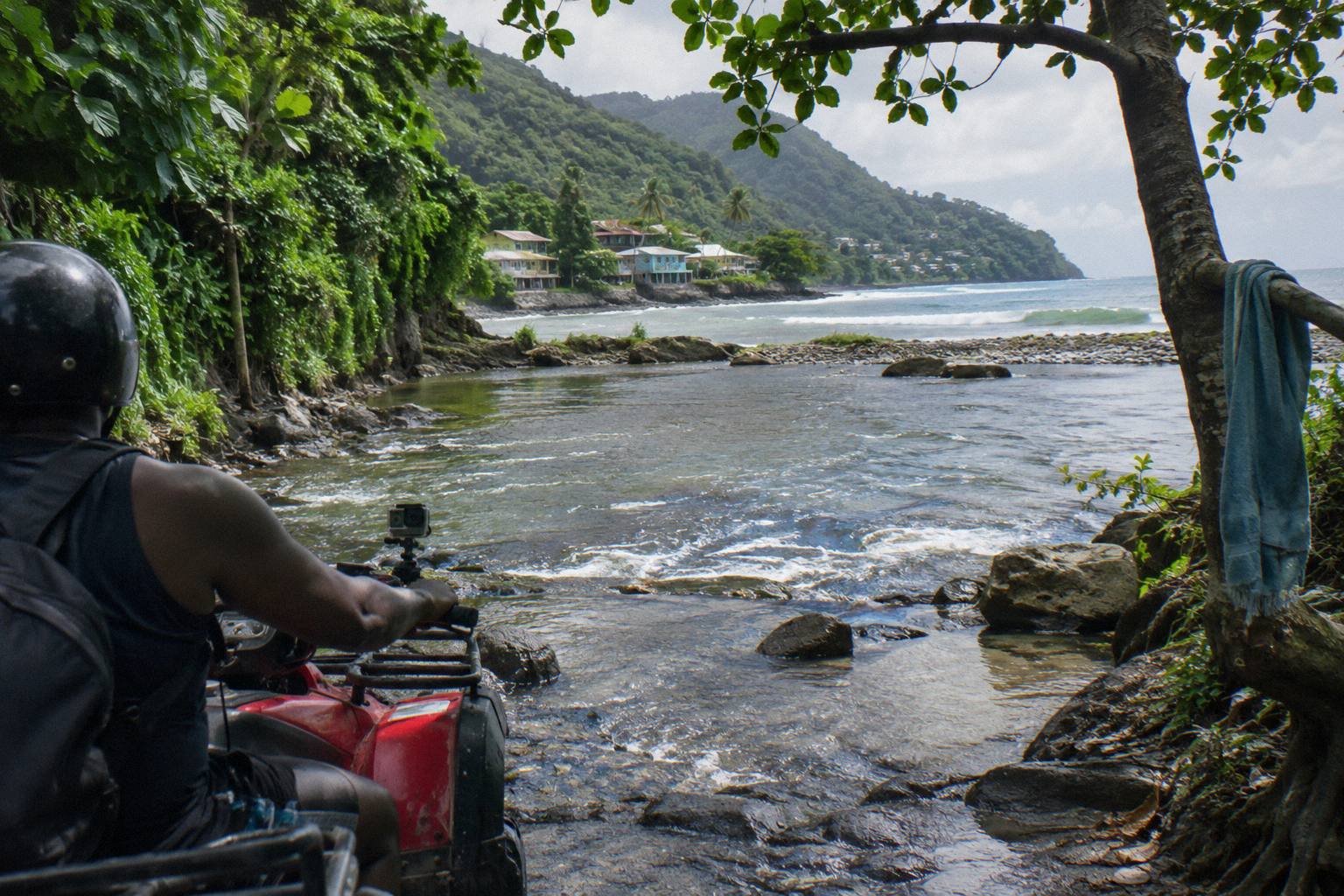
Choose on two axes the sources do support: how well the fabric handles dust and mud, and how your legs feel about sun and wind over two to three hours of riding. Light long trousers satisfy the official light layers advice and shade your legs; shorts stay cooler and dry faster. Neither breaches any stated rule, and the tie-breaker is what you plan to do straight after the ride.
Think about the day's shape. A 2 to 3 hour ride, the duration band shared by the Aanansi and +Venture booking pages, is long enough for sun exposure to matter through an entire morning and short enough that overheating in light trousers is rarely the deciding factor. The average temperature in Saint Lucia runs 23 to 31 °C, so breathability beats insulation almost every month of the year. A light cotton or synthetic trouser blocks trail dust and sun; a heavier fabric turns the same ride into a sauna.
The travellers who lean toward pants usually have one of three reasons: sun sensitivity over a long exposure, skin that reacts to dust and grit, or plans that go straight from the trail to lunch without a change of clothes. The travellers who lean toward shorts want the cooling, the quick drying after a river crossing or a shower, and the simplicity. Both are working within the guidance, because the guidance asks for adaptability, not a specific garment.
Rider type sharpens the choice further. A first-timer still learning throttle control may appreciate coverage simply because new riders sit closer to the machine and the trail. Families booking the MJ Wheelers ATV Rainforest Adventure from Soufriere, from US$130 per person and rated 5.0 from 82 reviews, are choosing a rainforest route with river crossings named on the operator's own page, and wet legs dry faster in shorts while dusty legs itch less in trousers. And note that +Venture's rules allow children to ride as passengers where an age limit may apply, so a parent packing for a passenger has the same fabric question with less of the wind and grit. For a fuller first-ride picture, see whether you need experience to ride an ATV tour.
A word on what not to wear, which is easier to state than what to wear: nothing in the sources supports loose, flowing fabric, open shoes or anything you would mourn if it met mud. Sturdy sneakers or hiking sandals is the authority's footwear line, and it rules out flip-flops on its own.
Footwear, Sun And The Rest Of The Kit
Closed, sturdy footwear is the one clothing item the official guidance names outright: sturdy sneakers or hiking sandals, with sunscreen and hats essential for open-top vehicles. Hats and sunscreen matter because ATVs are open by design, so your head and the back of your neck take direct tropical sun for the full ride, and a hat under a helmet is a question the sources leave to the operator.
Footwear deserves its own paragraph because it is where the official advice is firmest. Sneakers or hiking sandals give grip on footpegs, protect against hot surfaces and sharp trail debris, and survive mud that ruins casual shoes. If you own hiking sandals with a closed toe, the guidance accepts them; beach sandals do not qualify as hiking sandals no matter how they are marketed.
Sun strategy comes down to exposure time. A ride at the top of the duration range is about three hours of open-air movement, and the sun in Saint Lucia is direct even at 23 °C. Sunscreen before you ride, a hat between stops, and either sleeves or sunscreen on your arms and legs are the practical reading of the authority's line. Riders on the passenger-side experiences, like the Jeep And Zipline Adventure with its use of a helmet listed and hotel or port pickup and drop-off included, sit in an open-top jeep where the same hat and sunscreen advice applies with less trail spray.
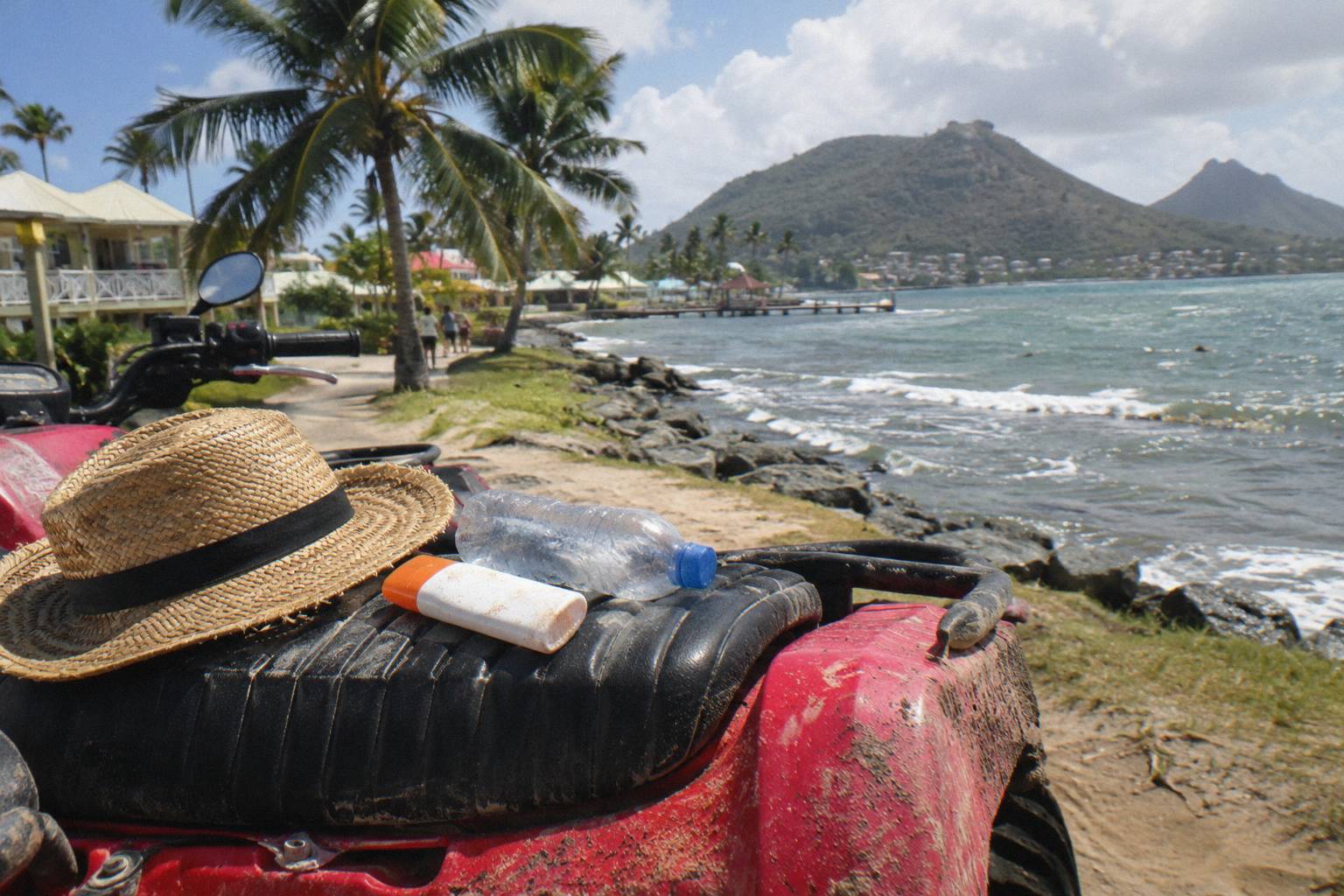
The rest of the kit is short. Water is listed as included by Aanansi, MJ Wheelers and Le Blanc, so your own bottle is a backup rather than a necessity. Towels and sunscreen are explicitly not included on the Le Blanc UTV ride, which is a useful nudge: check the not-included column of whichever booking page you use, because that is where your own packing list actually comes from. For the full packing treatment, the St Lucia ATV Tour site's gear guide covers it in depth.
Weather, Seasons And Why Layers Beat A Single Outfit
Light layers are the stated advice precisely because conditions change: the rainy season runs June to December with showers that are usually brief and followed by sunshine, and the busiest, driest stretch is December to April. A rider dressed in adaptable pieces can shed or add as a shower passes, which a single rigid outfit, whether shorts or heavy pants, cannot do.
The rainfall pattern explains the whole approach. An island-wide climate summary, which is not an official Met Services series, shows monthly totals rising from a low in March to a peak in October, then falling back through December. The Tourism Authority adds a geographic nuance a first-time visitor would not guess: more rain falls in the rainforest than along the coast, and showers are usually brief and followed by sunshine. A ride near the Pitons and a ride near the coast can have genuinely different days.
That pattern is island-wide context, not a trail forecast, and no page here should claim any trail is dry, muddy or dusty on any date. What it does tell you is why the authority chose the word layers: a light long-sleeve layer over a t-shirt handles a brief shower, a cool morning and a hot stretch of trail in one outfit, and it dries fast. The same logic applies to your legs, which brings the pants question back around in a useful form: the question is not trousers versus shorts as identities, but which garment adapts better to the day you have.
One booking-side fact belongs here. The Atlantic hurricane season runs June 1 to November 30, with a 1991 to 2020 average of 14 named storms, 7 hurricanes and 3 major hurricanes per the National Hurricane Center, and it overlaps the rainy season. The Tourism Authority allows you to cancel or reschedule before arrival at no cost, and the ATV booking pages covered here carry free cancellation up to 24 hours before, though two Island Routes jeep safaris are marked all sales final. Check the terms on whichever page you book. The piece on whether ATV rides run in the rain takes the weather question further.
What To Ask The Booking Desk Before You Ride
Five questions cover the gap the sources leave open: whether there is any clothing rule, what protective gear is supplied versus brought, the helmet and passenger rules for your party, what the cancellation terms are if weather turns, and what is genuinely included so your packing list matches reality. Ask them when you book, in one message, and you remove every guess these pages could not answer.
The questions earn their place because each one maps to something a booking page does or does not say. A clothing rule question sounds obvious, but since no booking page here states one, the only way to know a given operator's stance on shorts or footwear is to ask. The gear question separates the +Venture model, where protective equipment is provided and must be worn, from booking pages where use of all necessary equipment is the only clue. The helmet question matters for children riding as passengers, where an age limit may apply on +Venture's ride. Cancellation terms separate the free-cancellation-up-to-24-hours majority from the all sales final exceptions, and the inclusions question tells you whether towels, water or lunch are yours to pack.
A short table version, if you would rather copy it into your booking notes:
| Question to ask | Why it matters |
|---|---|
| Is there a clothing or footwear rule for this ride? | No booking page states one; the answer lives with the operator |
| What protective gear is provided, and what must be worn? | Only +Venture publishes a protective gear line; others do not |
| What are the helmet and passenger rules for my group? | Passenger ages vary by operator and are not published per tour |
| What are the weather and cancellation terms? | Most rides allow free cancellation to 24 hours; some are all sales final |
| What exactly is included? | Towels and sunscreen are excluded on some rides, included on none |
Booking direct with an operator rather than through a cruise line is its own decision, and the timing arithmetic for ship days is covered in the guide to ATV shore excursions from Castries. Whichever way you book, Aanansi asks for booking two days in advance, so send the questions early enough to matter.
The Short Version
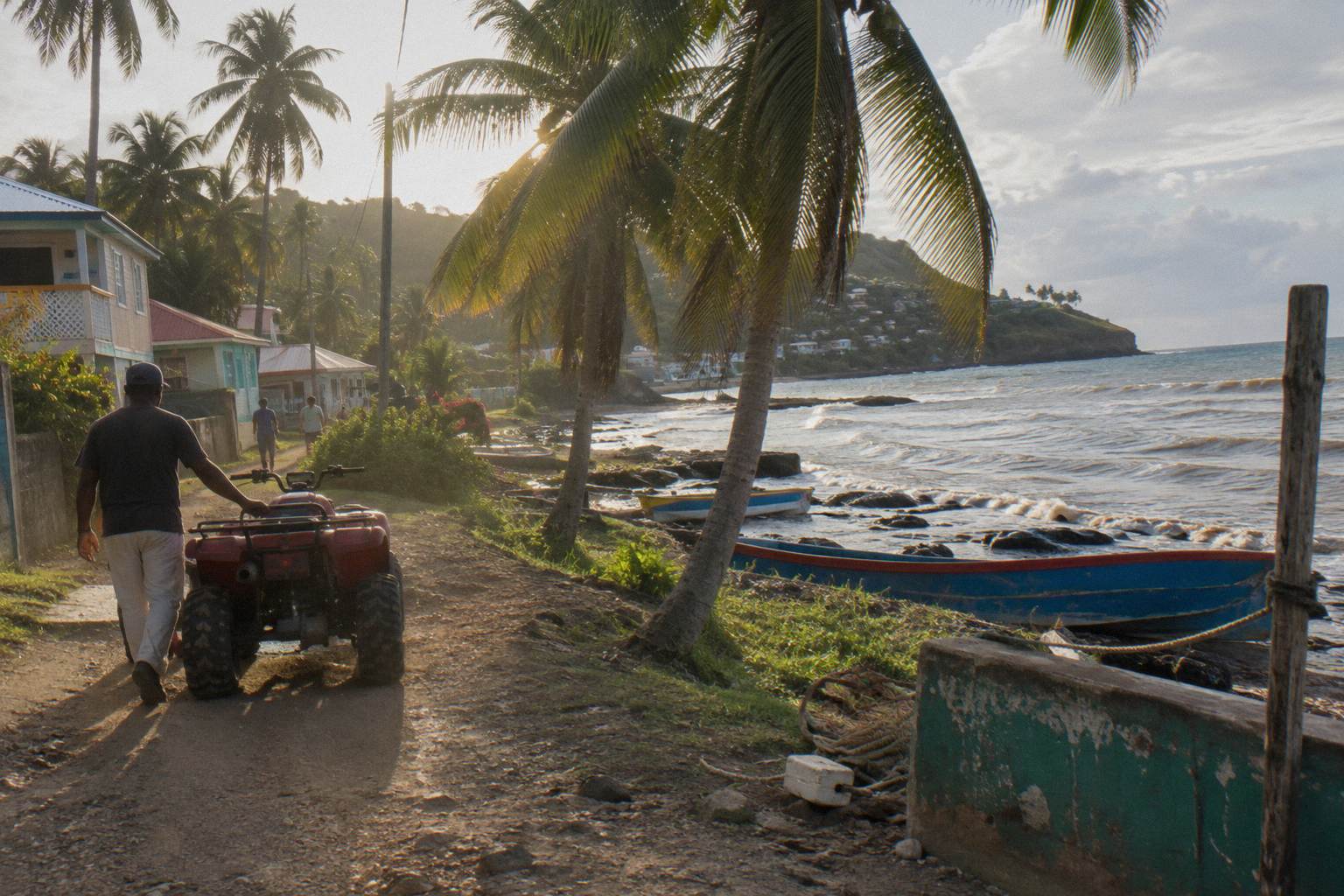
Wear pants if you burn easily, react to dust, or want one outfit to carry you from trail to lunch; wear shorts if cooling and quick drying matter more. Either is within the stated guidance, which asks for light layers, sturdy sneakers or hiking sandals, sunscreen and a hat, and asks for nothing else. Ask the operator about any rule when you book, and let the tour you choose, rainforest crossing or open estate track, tilt the decision.
If there is a single sentence to take away, it is that the pants question dissolves into a better question: what will my legs be doing for two to three hours, and what fabric serves that best? A rider who answers that plainly, checks the one caveat with the operator, and packs footwear the authority would recognise, has done everything the sources ask.
Common Questions About Wearing Pants On An ATV Tour
Should You Wear Pants On An ATV Tour?
No Saint Lucia source requires them. The Tourism Authority advises light layers suitable for dust, mud and changing terrain, sturdy sneakers or hiking sandals, and sunscreen and hats for open-top vehicles. Pants are a personal choice within that guidance; ask the operator when you book if you want a rule.
Do Any Saint Lucia ATV Operators Require Long Trousers?
None publishes such a rule. +Venture ATV states that helmets and protective gear are provided and must be worn, which is the closest any booking page comes to a clothing requirement. Every other booking page covered here is silent on clothing.
What Shoes Should I Wear On An ATV Tour In Saint Lucia?
The official guidance says sturdy sneakers or hiking sandals. That rules out flip-flops and beach sandals, since the advice targets dust, mud and changing terrain rather than beach use.
Are Helmets Provided On Saint Lucia ATV Rides?
Helmets are listed as included on +Venture ATV's ride and as use of a helmet on the Jeep And Zipline Adventure. Other booking pages do not mention helmets, so ask the operator about them when you book.
What If It Rains During My Ride?
The Tourism Authority describes rainy-season showers as usually brief and followed by sunshine, which is exactly why it recommends light layers. Most rides covered here carry free cancellation up to 24 hours before; check the terms on your specific booking page.