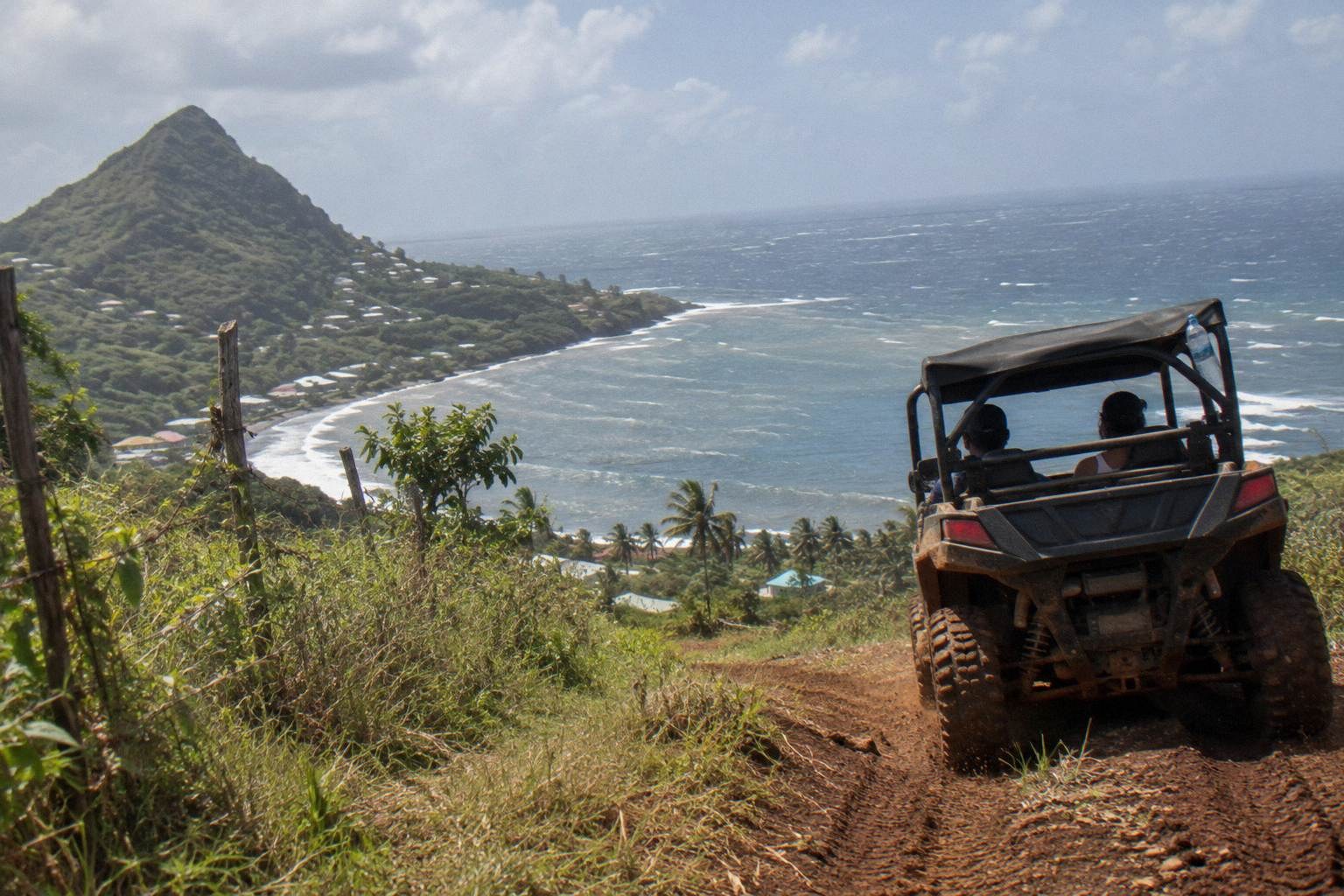
What To Wear And Bring On A Quad Bike Ride In St Lucia
Shoes, layers and phone rules are the three questions riders ask most before departure. Here is what the official advice and the operator pages actually say, and where the sources go quiet.
Short answer
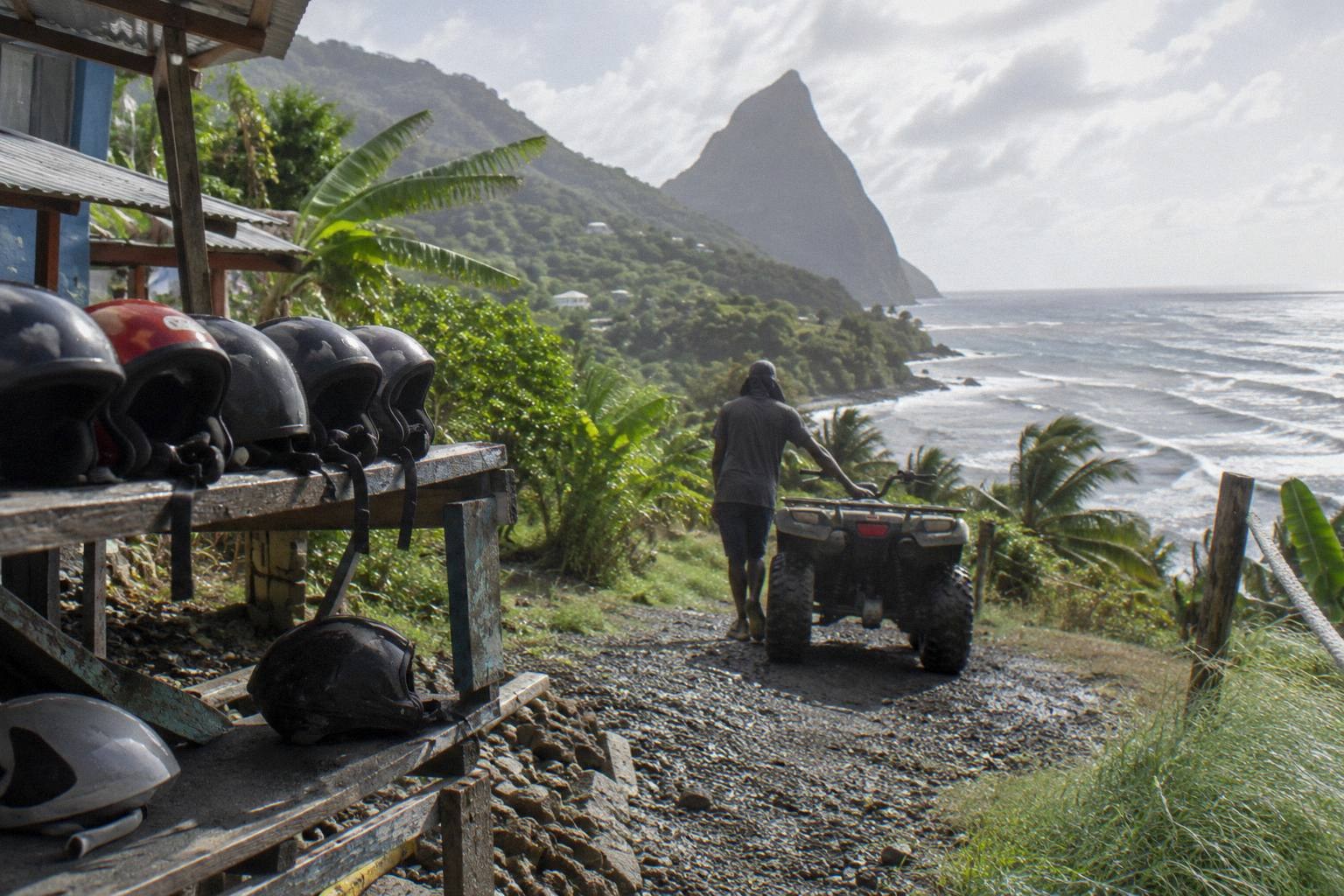
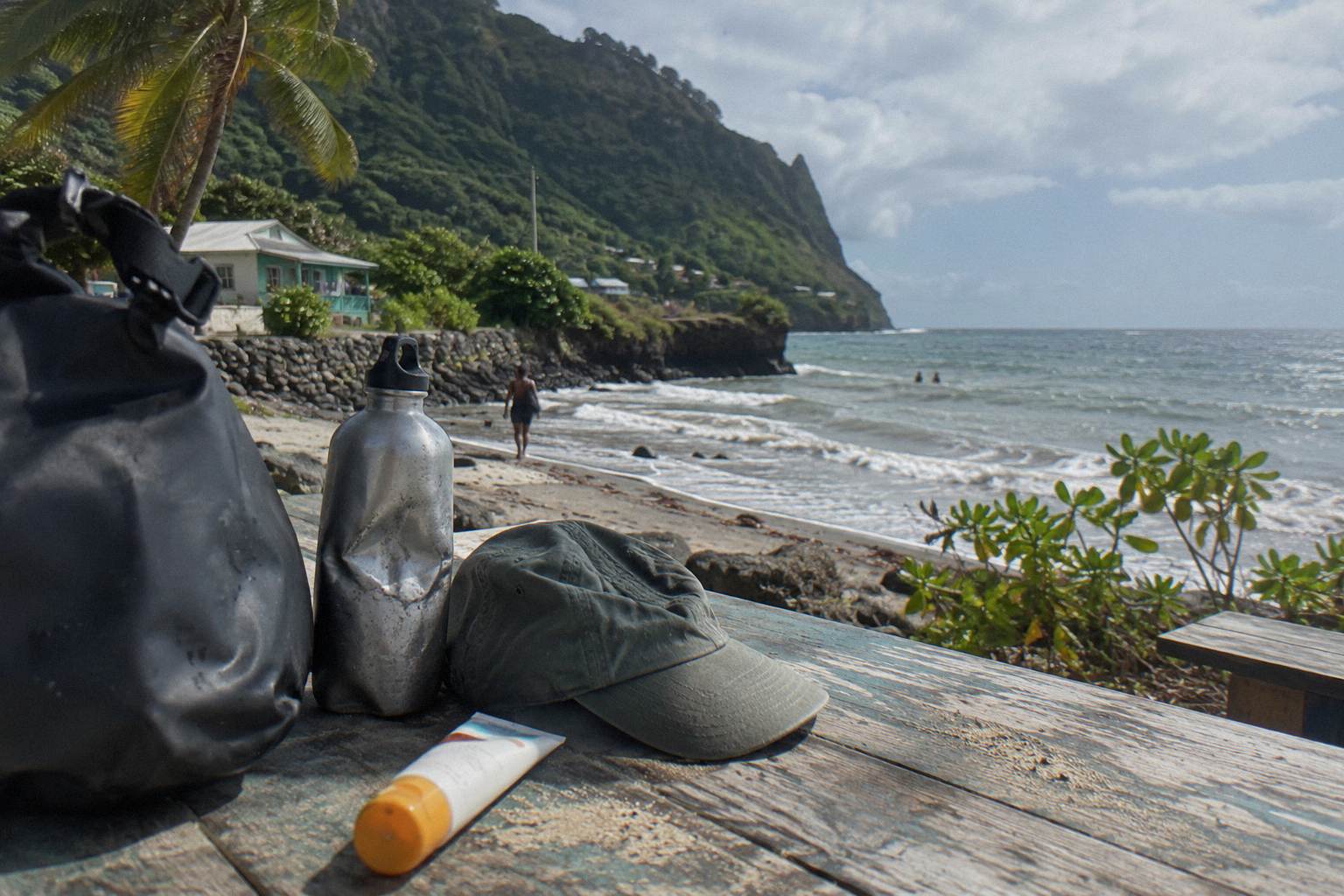
The St Lucia Tourism Authority advises sturdy sneakers or hiking sandals, light layers suitable for dust, mud and changing terrain, and sunscreen and hats for open-top vehicles. Helmets are confirmed as supplied on +Venture ATV rides; for other operators the gear list varies, so ask the operator when you book. Average temperatures run 23 to 31 °C year round.
Riders packing for a quad bike ride in St Lucia usually ask the same three questions in the final days before departure: what shoes count as sturdy, whether long pants matter, and what happens to a phone on a rough trail. The good news is that the island's official tourism body publishes a plain gear list for off-road tours, and several operators state exactly what they supply. The gap between those two sources is where most confusion lives, and the guide here works through it line by line.
What Should You Wear On An ATV Ride In St Lucia?
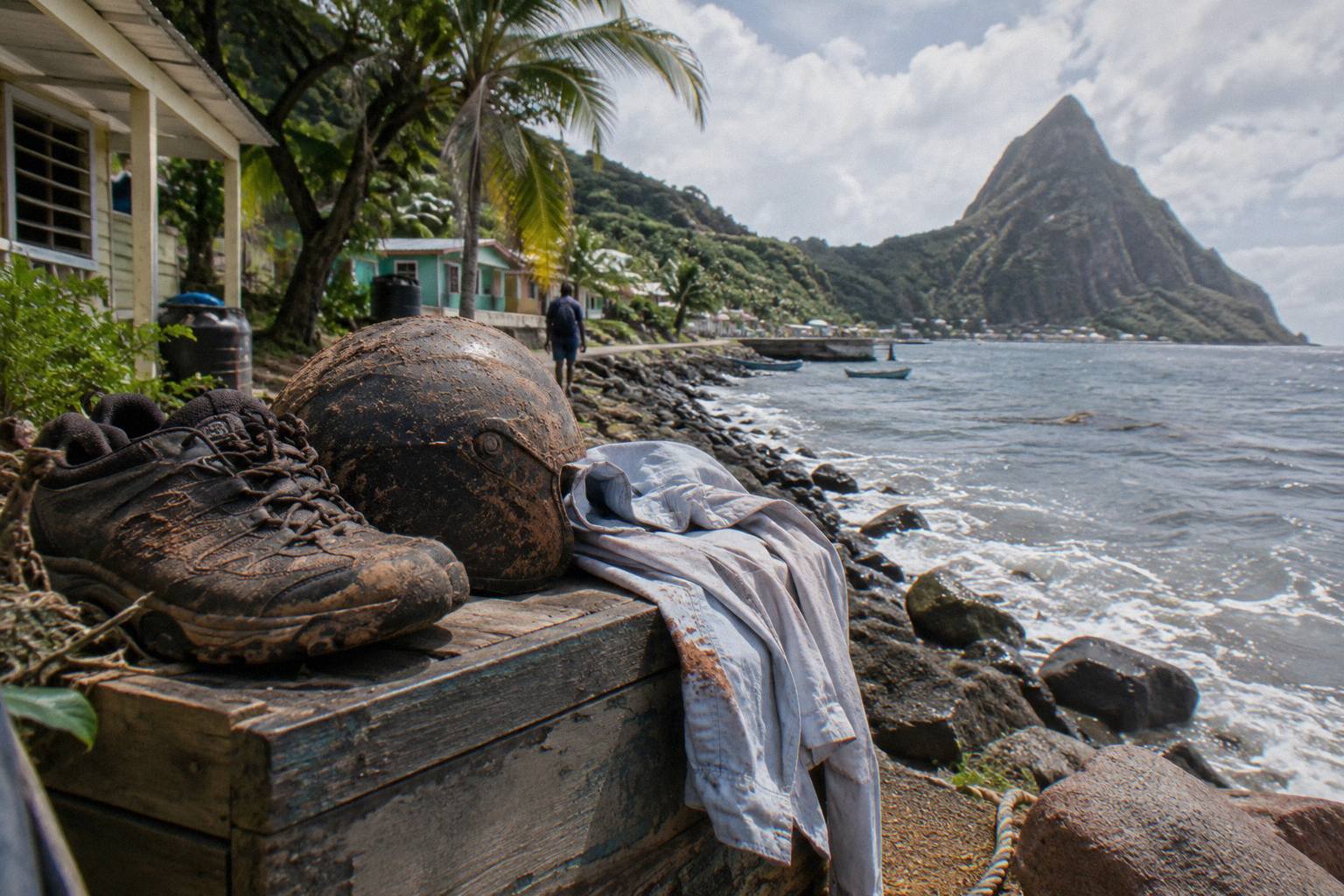
Wear sturdy sneakers or hiking sandals, light layers suitable for dust, mud and changing terrain, plus sunscreen and a hat, per the St Lucia Tourism Authority's own guidance for off-road tours. Helmets and protective gear are provided and must be worn on +Venture ATV rides from the Anse La Raye area. For any other operator's clothing or equipment rules, ask the operator when you book.
That official list comes from the Tourism Authority's "Know Before You Go" section for off-road tours, and it is refreshingly short. Sturdy sneakers or hiking sandals protect your feet and ankles on footpegs and loose ground. Light layers suit an environment where the terrain throws dust and mud at you in the same ride, and where a coastal stretch can feel very different from a forested one within half an hour. Sunscreen and hats are called essential for open-top vehicles, which covers everything from quad bikes to the open-top safari jeeps used on passenger tours.
Temperature barely narrows the decision. The island averages 23 to 31 °C across the year, so you are dressing for sun and abrasion rather than cold. Light colours and fabrics you would not mourn over a mud streak are the practical reading of the "light layers" advice. The deeper question of whether long pants beat shorts has its own discussion in the piece on whether you should wear pants on an ATV tour, which works through the same sources in more detail.
One rule of thumb keeps this simple: dress for contact. A quad bike puts your legs beside a warm engine, your hands on handlebars, and your whole body in open air moving at whatever speed the guide sets. Everything the official list recommends, from closed footwear to covering layers, follows from that single fact.
What Does The Official St Lucia Gear Advice Actually Say?
The Tourism Authority's off-road page lists sturdy sneakers or hiking sandals, light layers suitable for dust, mud and changing terrain, and sunscreen and hats as essential for open-top vehicles. The same page states drivers must be 21 or over with a valid licence, and that off-road riding is not recommended for pregnant travellers or those with back conditions. Each operator then sets its own clothing and equipment rules.
That last sentence matters more than any packing list. The official guidance is a floor, not a ceiling: it tells you what works across every off-road tour on the island, while individual operators decide what they hand out and what they expect you to bring. The Authority also frames the choice between formats in a way that helps your wardrobe planning, describing guided 4x4 jeep tours as a more relaxed experience and ATVs as a closer connection to the terrain. Closer connection, in clothing terms, means more dust, more spray and more reason for those light layers.
The scope of what is published is worth stating plainly, once: the sources hold no statement on what any operator supplies beyond the inclusions each booking page names, no glove or goggle rules, and no tour-specific clothing requirements. So the sensible method is to ask the operator when you book, and to treat the rest of the advice below as the decision logic that makes that question a thirty-second conversation rather than a worry. Everything below is drawn from what the official and operator pages do say.
Three rides dominate this conversation for practical reasons. +Venture ATV's waterfall, plantation, beach and distillery ride from the Anse La Raye area runs from US$135 per person, is rated 4.9 from 448 reviews, lasts 2 to 3 hours, and is the one tour whose rules page spells out gear in detail. The Le Blanc UTV adventure from Morne Le Blanc in Laborie runs from US$250 per person over 2 to 4 hours with lunch included. Aanansi ATV Tours at Marquis Estate is the small-group option, capped at 14 riders, from US$107.50 per person and rated 4.7 from 1,108 reviews.
Do You Need To Bring Your Own Helmet?
No, on the two tours where helmets are confirmed. +Venture ATV lists helmets on its ride and its own rules page states helmets and protective gear are provided and must be worn. The Jeep And Zipline Adventure lists use of a helmet among its inclusions. For every other tour on the island, the published sources say nothing about helmets, so ask the operator when you book rather than assuming either way.
That asymmetry surprises people. Helmet provision is the single most variable item across the St Lucia rides, and the booking data is explicit only twice. On +Venture's Anse La Raye ride, the rules go further than provision: helmets and protective gear must be worn, a waiver is required, riders keep a safe speed through villages, and no alcohol is allowed before or during the ride, with the optional rum tasting reserved for the end where the operator offers it. It is the most complete conduct and gear statement published by any operator on the island.
| Tour | Helmet stated? | Gear and conduct detail on the operator's own page |
|---|---|---|
| +Venture ATV, Anse La Raye | Yes, provided and must be worn | Protective gear included, waiver required, safe speed through villages, no alcohol before or during the ride |
| Jeep And Zipline Adventure | Yes, use of a helmet listed | Open-top safari jeep with a driver and guide, 12 zip lines, seasonal waterfall stop |
| Aanansi ATV Tours, Marquis Estate | Unspecified | Welcome, short safety briefing and riding instruction; use of all necessary equipment listed |
| MJ Wheelers, Soufriere | Unspecified | Use of all necessary equipment and bottled water listed |
| Le Blanc UTV, Laborie | Unspecified | Guided tour and an all-inclusive package listed; towels and sunscreen excluded |
Read that middle column carefully before concluding anything. "Use of all necessary equipment" appears on several booking pages, and it is a broad phrase the operators do not define publicly. The fair reading is that equipment is supplied, but which pieces, and whether that includes a helmet, is a question for the booking desk. This is exactly why the one-clause rule above exists: ask once, get a direct answer, and move on to enjoying the ride.
The passenger-format tours solve the problem differently. On the Jeep And Zipline Adventure from Island Adventures St. Lucia, from US$165 per person and rated 4.9 from 246 reviews over 6 to 7 hours, you ride as a passenger with a driver and guide, and the helmet on the list belongs to the zipline course rather than the drive. Format drives gear: the closer you sit to the trail, the more the equipment question matters.
What Should You Pack In A Small Bag?
Pack light and pack for sun and water. The stated inclusions across the rides covered here include bottled water or fruit juice on the Aanansi ride, bottled water on MJ Wheelers, and lunch, soda, local juice and water on the Le Blanc UTV adventure, which excludes towels and sunscreen, meaning you should bring both. Aanansi permits riders to carry devices for photos, so a secure phone pocket is worth planning.
The exclusions lists are as useful as the inclusions. Le Blanc Hideaway and Tours names towels and sunscreen as not included on its southern UTV adventure, which is the island's clearest signal that a beach stop, in this case at Shabousha Beach in Choiseul, involves water and sun you are expected to manage yourself. Gratuities are excluded on most tours, and tipping on the island generally runs about 10 to 12 percent where it applies, with no ATV-specific amount published. The guide to how much you should tip on an ATV tour covers that separate question in full.
Money deserves one practical note before it belongs in your bag. The Eastern Caribbean dollar is pegged at EC$2.70 to US$1, US dollars are widely accepted by hotels, restaurants, tour operators and taxis, and change is often given in EC dollars, so confirm which currency a price is in before you hand anything over. Small US notes for gratuities solve most of the friction. Beyond that, the operators' own inclusions tell you what not to bother carrying: drinks are covered on several rides, and lunch is covered on the longer formats.
A useful packing split is by what your tour includes. Nothing in the published sources goes beyond the lines below.
| Item | Bring it yourself? | What the sources say |
|---|---|---|
| Sturdy sneakers or hiking sandals | Yes | Tourism Authority gear list for off-road tours |
| Light layers for dust, mud, terrain | Yes | Tourism Authority gear list |
| Sunscreen and hat | Yes, essential | Tourism Authority; explicitly excluded on the Le Blanc UTV adventure |
| Towel | Yes if your tour has a beach or water stop | Excluded on the Le Blanc UTV adventure |
| Water or juice | Often no | Bottled water or fruit juice on Aanansi; bottled water on MJ Wheelers; water, soda and juice on Le Blanc |
| Helmet | No on +Venture; ask elsewhere | Provided and must be worn on +Venture; use of a helmet on the Jeep And Zipline Adventure |
| Phone or camera for photos | Yes, secured | Aanansi states riders may carry devices for photos |
What About Dust, Mud And Rain On The Trail?
The Tourism Authority calls June to December the rainy season, with more rainfall in the rainforest than along the coast and showers usually brief and followed by sunshine, while December to April is the busiest and driest period. The official clothing advice is simply light layers suitable for dust, mud and changing terrain. No source promises a dry, muddy or dusty trail on any given date.
This is where restraint is the most useful packing advice. It is tempting to read a monthly rainfall chart as a trail forecast, and the disciplined move is not to. The island-wide pattern comes from a climate-data summary, not an official Met Services series, and they describe the whole island rather than any route your quad bike takes. What it does show is shape: a drier stretch from February through April, a wetter climb from June, and a September-to-November peak.
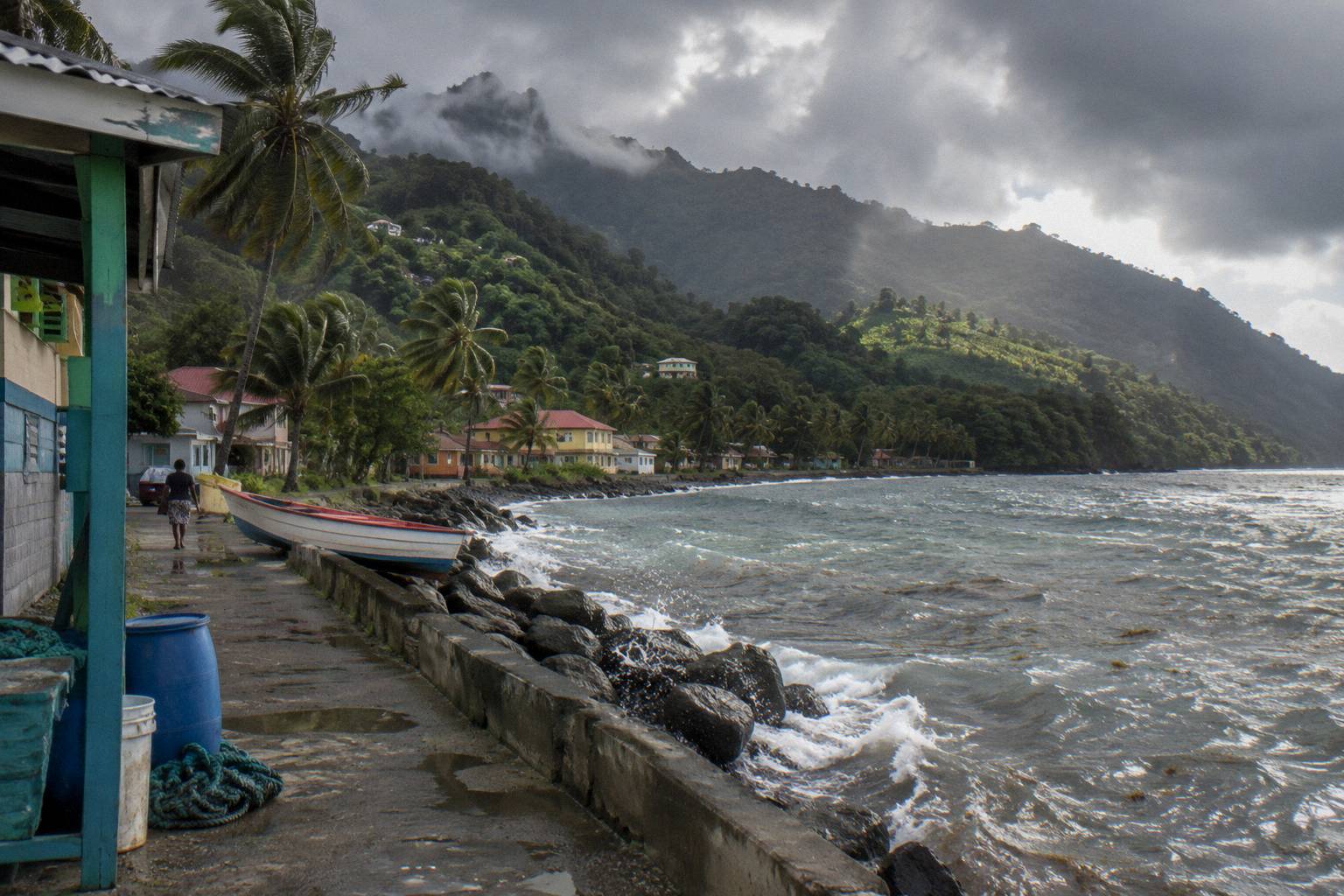
The Atlantic hurricane season runs June 1 to November 30, overlapping the rainy season, with a 1991 to 2020 average of 14 named storms, 7 hurricanes and 3 major hurricanes per the National Hurricane Center. The Tourism Authority offers a Holiday cancellation option allowing you to cancel or reschedule before arrival at no cost, which is worth knowing at the planning stage. For the ride itself, the cancellation terms are on each booking page: Aanansi and Le Blanc carry a weather-cancellation flag in the booking data with free cancellation up to 24 hours before, while MJ Wheelers does not carry that flag. The two questions, what the sky does and whether your ride runs, are separated in how mud, rain and the wet season affect St Lucia ATV trails.
Clothing-wise, the wet season argument for those light layers writes itself. Brief showers followed by sunshine mean a soaking that dries fast, on terrain where more rain falls in the rainforest than along the coast, which is precisely the sort of changing condition the official "light layers" phrase anticipates. A quick-dry layer beats a heavy one, and a thin layer you can shed beats a single thick choice.
Can You Bring A Phone Or Camera On The Ride?
Yes, where stated. Aanansi ATV Tours says riders may carry devices for photos on its Marquis Estate ride. No other operator page in the published sources states a device rule either way, so confirm with the operator if the photos matter to you. The practical question is how you carry it, not whether: a zipped pocket or strap keeps a device secure over rough ground.
Aanansi's line is the only explicit permission among the operators, and it is a sensible default expectation rather than a promise elsewhere. The rides are genuinely photogenic: the Marquis Estate route passes sugar mill ruins with Atlantic views, +Venture's Anse La Raye ride includes a waterfall, a farm and a distillery, and the Le Blanc UTV adventure stops at Shabousha Beach in Choiseul. Riders who want those shots should plan for dust and vibration, which argues for a case, a strap, and a pocket that closes. The practical side gets a deeper look in bringing a GoPro on an ATV ride in St Lucia.
One habit is worth importing from the conduct rules that are published. +Venture requires a safe speed through villages and no alcohol before or during the ride, with the rum tasting at the end where the operator offers it. The unstated cousin of those rules is that fumbling with a device while riding is the kind of thing a safety briefing exists to discourage. Shoot at the stops, pocket the device between them, and you align with the spirit of every published rule without needing a citation. For the broader etiquette picture, a rundown of what not to do on an ATV tour collects the operator rules in one place.
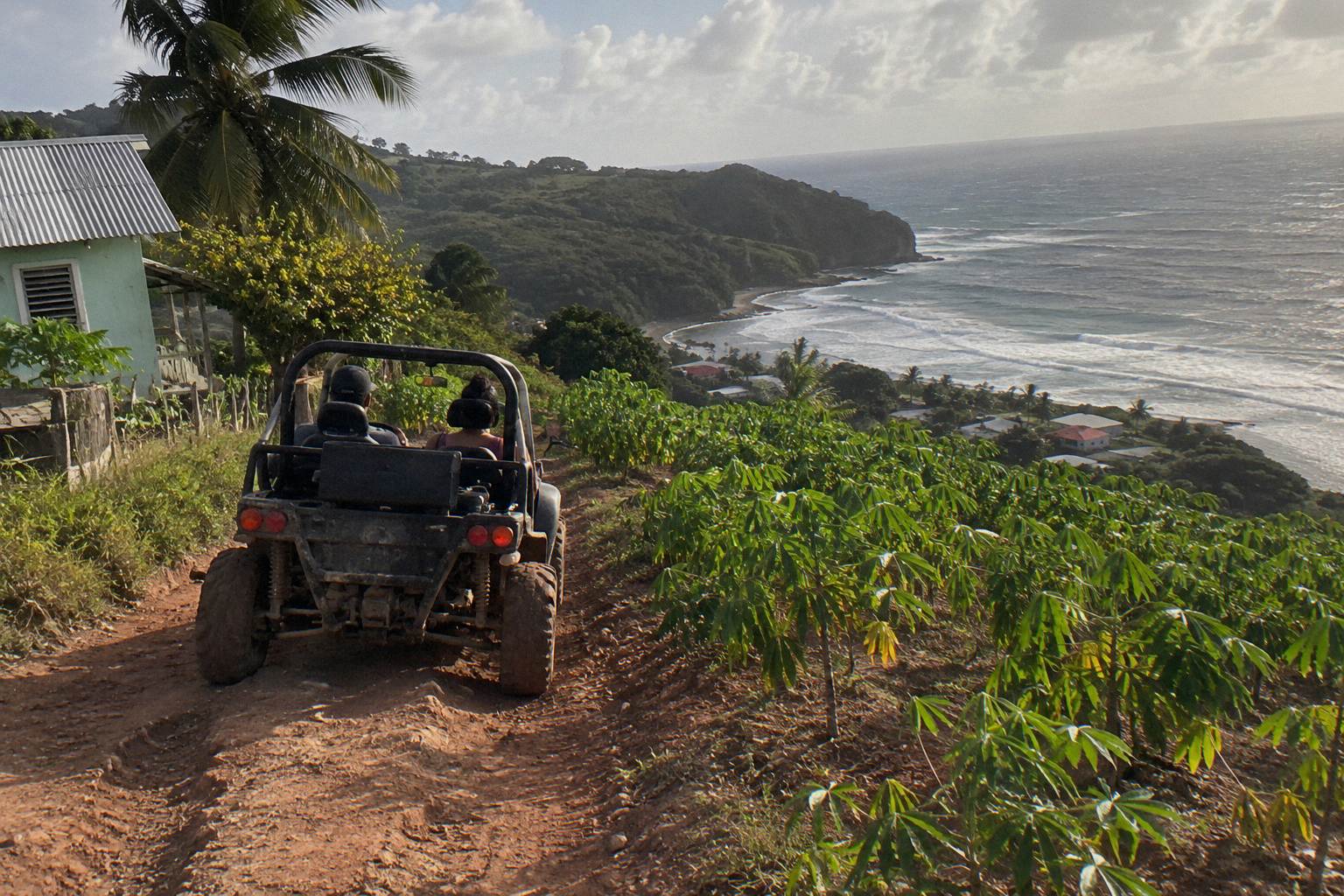
The rider from the featured ride here, the +Venture ATV waterfall, plantation, beach and distillery tour, gets the fullest documented experience: helmets and protective gear provided and mandatory, a waiver, the waterfall entrance fee, the farm tour and the distillery tour all included, from US$135 per person, 2 to 3 hours, rated 4.9 from 448 reviews, with free cancellation up to 24 hours before. Check availability
What Should You Ask The Operator When You Book?
Ask four things: whether a helmet is provided and must be worn, what the age and licence rule is for drivers and passengers, what happens to the booking in bad weather, and whether your pickup point carries an extra charge. Each operator sets its own rules on all four, and the published sources confirm answers only in scattered cases, such as the Tourism Authority's line that drivers must be 21 or over with a valid licence.
The Aanansi page illustrates why the questions are worth asking rather than guessing. It asks riders to book two days in advance, includes hotel pickup and drop-off from selected Castries or Gros Islet hotels and seaports, normally less than a 20 minute drive from most locations, and adds a US$10 transport fee for Marigot Bay clients. None of that is gear, but all of it changes what you carry and when you leave your hotel. The age and licence question has its own full treatment in the guide to age limits and licence rules for quad biking in St Lucia.
| Question to ask | Why it matters | Where the sources are explicit |
|---|---|---|
| Is a helmet provided, and must it be worn? | Only +Venture and the Jeep And Zipline Adventure state it | +Venture: provided and must be worn |
| What is the age and licence rule? | Drivers must be 21+ with a valid licence per the Tourism Authority; operators set their own | Children may ride as passengers on +Venture, age limit may apply |
| What is the weather-cancellation policy? | Terms sit on each booking page | Aanansi and Le Blanc carry a weather-cancellation flag; MJ Wheelers does not |
| Is my pickup point included? | Extras can change the day | Marigot Bay clients pay US$10 extra on Aanansi |
| Can I carry a device for photos? | Securing a phone is easier when allowed | Aanansi states riders may carry devices |
Two of those questions deserve a footnote. The Tourism Authority's 21-and-over line applies to drivers; the sources say nothing about a blanket passenger age, and +Venture notes only that children may ride as passengers with an age limit that may apply. And the weather question is genuinely per-operator: the cancellation terms live on each booking page, and the two Island Routes jeep safaris are marked all sales final with no refund, a sharper policy than the 24-hour free cancellation most rides carry.
Aanansi's Marquis Estate ride is the one most often booked by riders who want the small-group version of the day: capped at 14 riders, from US$107.50 per person, 2 to 3 hours, rated 4.7 from 1,108 reviews, with a welcome, a short safety briefing and riding instruction, bottled water or fruit juice, and equipment use listed, plus free cancellation up to 24 hours before.
For riders basing themselves in the south, the same set of questions applies to the Le Blanc UTV adventure from Morne Le Blanc in Laborie: from US$250 per person over 2 to 4 hours, with a guided tour, lunch, soda, local juice and water included, a Shabousha Beach stop in Choiseul, towels and sunscreen excluded, free cancellation up to 24 hours before, and the driver arrangement confirmed by the booking page or the operator.
A Pre-departure Checklist That Matches The Sources
On the day, wear sturdy closed footwear and light layers, apply sunscreen and bring a hat, secure your phone or camera, carry a towel and sunscreen if your tour has a water stop, and bring small notes for gratuities, which are excluded on most tours. Confirm the helmet, age, weather and pickup questions with the operator when you book, since the sources answer them only per operator.
The checklist above is deliberately short because the published record is short. Every line traces to the Tourism Authority's gear list, to a named inclusion or exclusion on a booking page, or to an operator's own rules page, and nothing else has been smuggled in. When a packing article tells you to bring goggles, gloves or bandanas for a St Lucia quad ride, check whether it names a source, because the official and operator pages here do not mention them.
Format should shape the final read-through. A rider on the Le Blanc UTV, seated in a side-by-side vehicle with lunch included, packs differently from a solo rider on the +Venture ATV trail, and both pack differently from a passenger on a 6 to 7 hour open-top jeep and zipline day, where the helmet belongs to the zip lines and the bigger concerns are sun exposure over a long duration and a swimsuit for the seasonal waterfall stop. A comparison of ATV versus UTV versus dune buggy formats in St Lucia works through those differences for riders still choosing.
If your instinct after all this is that the passenger formats suit your group better, the Jeep And Zipline Adventure is the documented bridge: an open-top safari jeep with a driver and guide, 12 zip lines, a seasonal waterfall, light refreshments, beverages, hotel or port pickup and drop-off, all taxes and fees, from US$165 per person, rated 4.9 from 246 reviews, gratuities excluded, free cancellation up to 24 hours before.
That is the whole picture, and it is a manageable one. Shoes, layers, sun protection, a secured device, the exclusions your particular tour names, and four questions asked once at booking. St Lucia ATV Tour keeps the advice here, the ride prices and the operator rule pages aligned so the checklist you pack from matches the one the island's own sources support.
Common Questions About What To Wear On A St Lucia Quad Ride
What Shoes Should I Wear On An ATV Ride In St Lucia?
Sturdy sneakers or hiking sandals, per the St Lucia Tourism Authority's gear advice for off-road tours. Closed footwear protects feet and ankles on footpegs and loose ground. No operator page specifies a shoe brand or type beyond that, so anything sturdy and closed that you would happily walk a trail in fits the official guidance.
Do I Need To Bring My Own Helmet?
On +Venture ATV's Anse La Raye ride, no: helmets and protective gear are provided and must be worn. The Jeep And Zipline Adventure also lists use of a helmet. For other tours the published sources say nothing about helmets, so ask the operator when you book rather than packing one on assumption.
Should I Wear Long Pants Or Shorts?
The official advice says light layers suitable for dust, mud and changing terrain, which most riders read as covering the legs. The sources stop short of mandating pants for any tour. A longer discussion of whether you should wear pants on an ATV tour works through the same evidence in detail.
Can I Bring My Phone Or A Camera?
Aanansi ATV Tours states riders may carry devices for photos. No other operator page states a device rule either way, so confirm if the photos matter. Whatever the answer, carry the device in a zipped pocket or on a strap, since dust and vibration are part of the ride.
What Happens To My Ride If It Rains?
It depends on the operator. Aanansi and Le Blanc carry a weather-cancellation flag in the booking data, both with free cancellation up to 24 hours before; MJ Wheelers does not carry that flag. The Tourism Authority notes showers in the June-to-December rainy season are usually brief and followed by sunshine, but no source promises any trail condition on a given day.
Do I Need Sunscreen On The Ride?
Yes. The Tourism Authority calls sunscreen and hats essential for open-top vehicles, and quad bikes are open to the sun for the full 2 to 3 hours of a typical ride. On the Le Blanc UTV adventure sunscreen is specifically listed as not included, so it is one item you should not expect to be handed on the day.