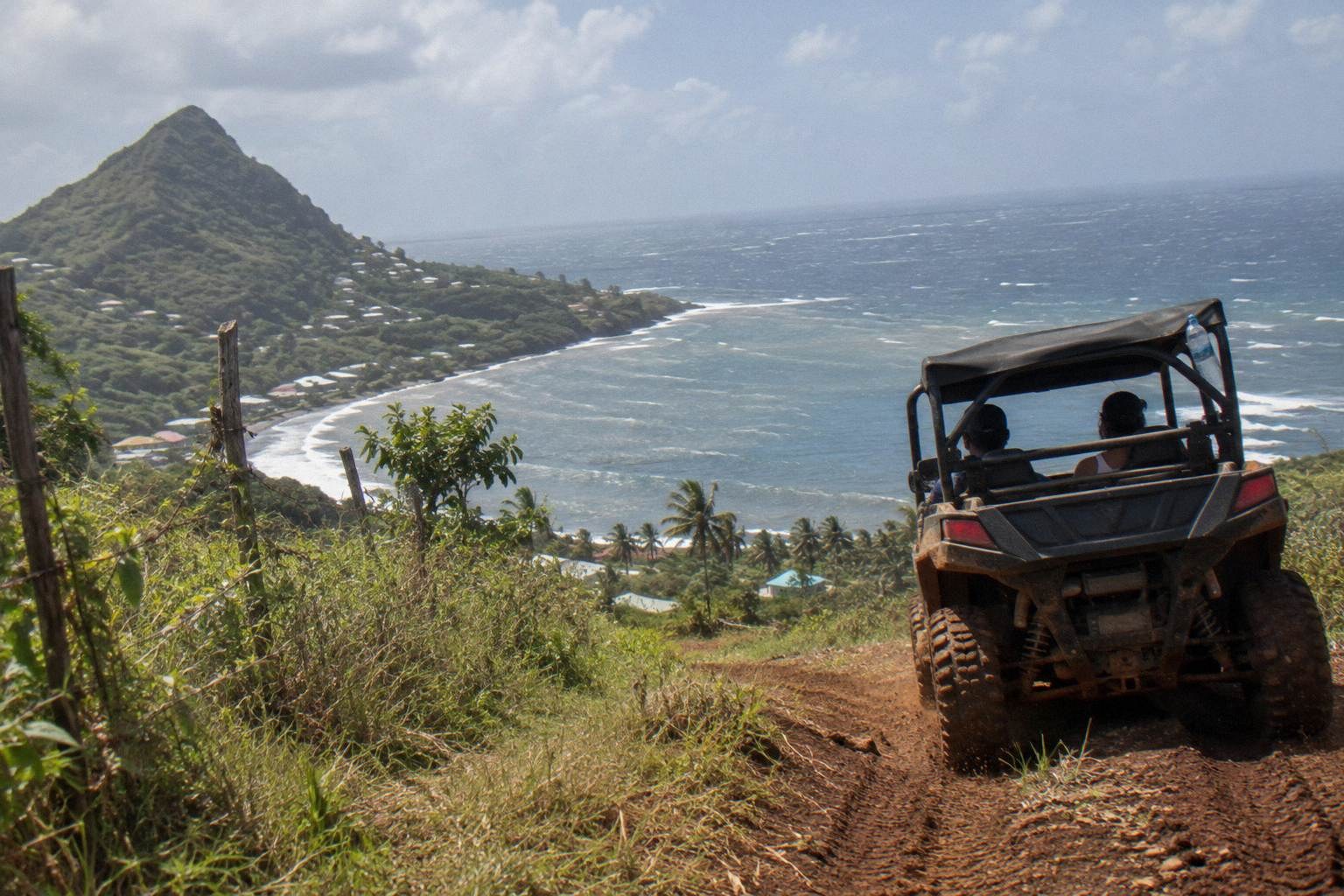
Mud, Rain And The Wet Season On St Lucia ATV Trails
Saint Lucia's wet season runs June to December, and it overlaps almost exactly with Atlantic hurricane season. Here is what that means for an off-road ride, what the official seasons actually say, and how to pick between a quad, a side-by-side and a covered jeep when the sky turns.
Short answer
The rainy season runs June to December, and the busiest visitor months, December to April, are the driest. Most quad and UTV tours keep free cancellation up to 24 hours before, and the Tourism Authority lets you cancel or reschedule before arrival at no cost.
Saint Lucia averages 23 to 31 °C all year, and the island's tourist board splits the calendar into two broad halves: a drier, busier stretch from December to April, and a rainy season it defines as June to December. That second window is longer than many visitors expect, and it covers the summer holidays, part of the cruise season and the whole of the Atlantic hurricane season. For anyone planning to ride a quad bike, a side-by-side UTV or an open-top jeep across plantation tracks and rainforest trails, the weather question is not whether it will rain, but what a shower actually changes about the day.
What the verified sources say: the official seasons, the Tourism Authority's own wording on how rain falls differently in the rainforest than on the coast, and the cancellation terms attached to each ride covered here. It also flags where the sources go quiet. There is no published month-by-month record of mud or dust on any individual trail, and no operator publishes a rain policy beyond its cancellation line, so the practical move is to ask the operator when you book and lean on the decision logic and checklist below.
When Is The Wet Season On Saint Lucia?
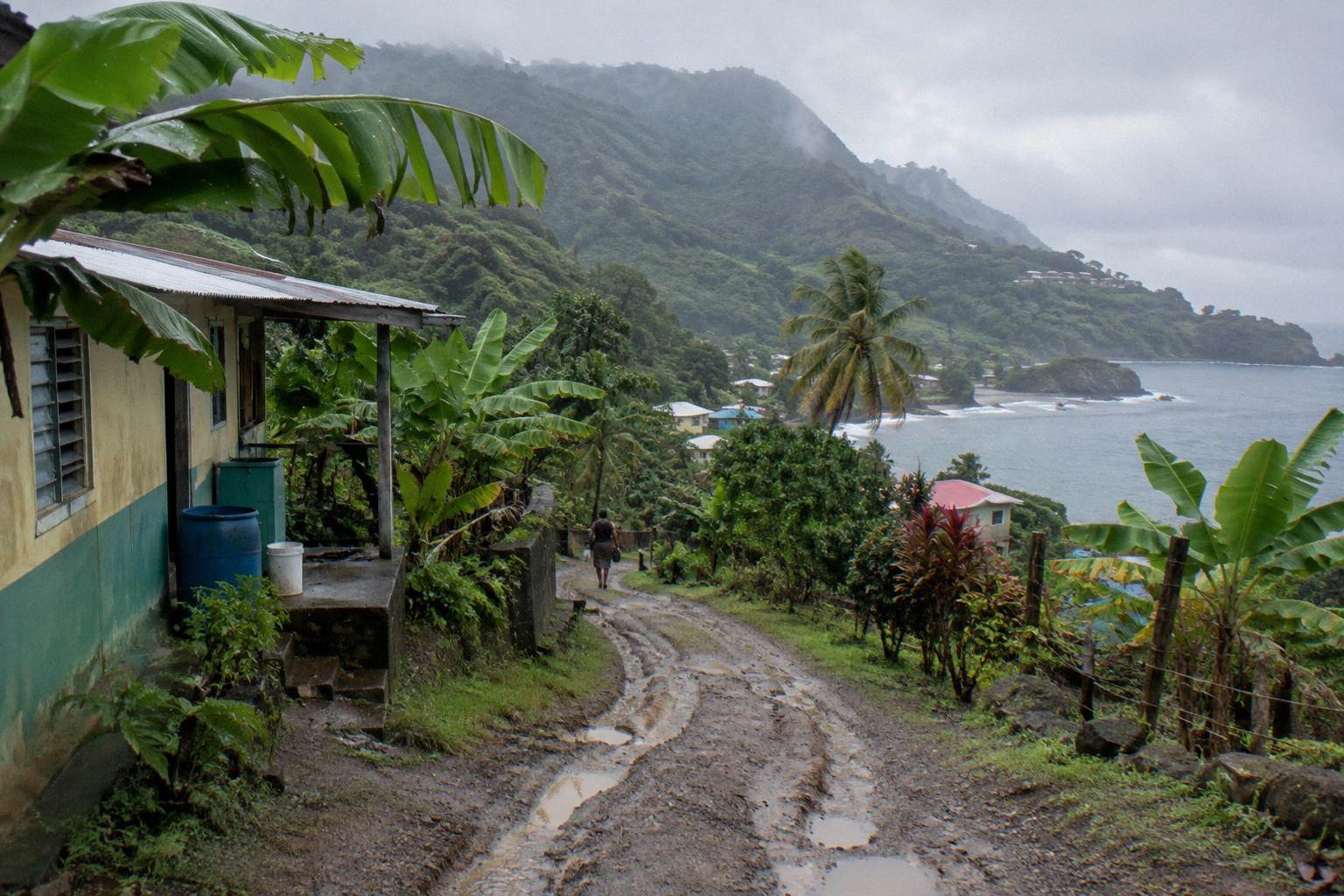
The Saint Lucia Tourism Authority defines the rainy season as June to December, and the busiest visitor months, December to April, are the driest. Temperatures sit between 23 and 31 °C year round, so the season changes how wet the ground is, not how warm the day feels. The Authority notes that rain falls more heavily in the rainforest than along the coast, and that showers are usually brief and followed by sunshine.
That last detail matters more than the month names. A "rainy season" label conjures full grey days, but the Authority's own description is of short showers that clear. The rainforest interior around Soufriere and the central ridge collects more water than the leeward coast near Castries and Gros Islet, which is worth knowing because several ATV routes deliberately run through rainforest and river crossings, exactly the terrain the Authority singles out as wetter. The coastal and plantation tracks, such as the Marquis Estate route on the Atlantic side, sit in a different rainfall reality even on the same afternoon.
The dry half of the year is also the crowded half. December to April brings the peak of both stayover tourism and the main cruise season, when as many as five ships can call into Castries in a single day between October and April. Travellers who pick the wet season are often trading crowd levels and price for a higher chance of a shower, and for many riders that trade reads as a fair one. The timing question runs deeper than the season, since cruise days and time of day shape a ride as much as the month does.
Which Months Are Wettest?
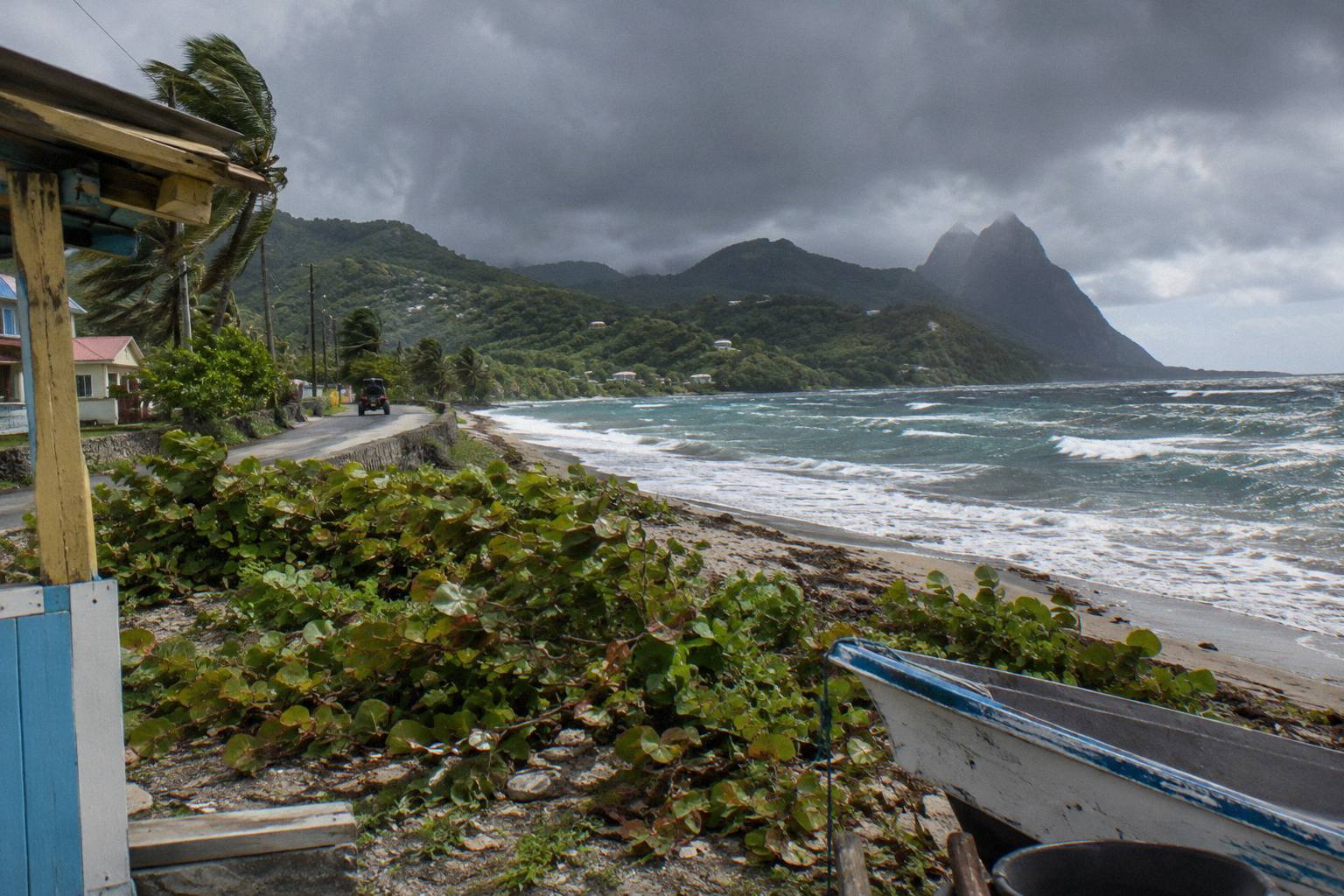
The wettest stretch runs from July through November, and the driest months are February to April. These are island-wide patterns, not trail readings, so they sketch the shape of the year rather than predicting any single week.
Read the seasons as a gradient, not a switch. June is officially "rainy season" but is usually drier than November, and December sits on the boundary between the two labels. The practical takeaway for a rider is simple: the February-to-April window combines the driest months with the dry-season label, while the late-summer and autumn months carry both the heaviest rain and, separately, the peak of hurricane season.
One caveat belongs beside that. The Tourism Authority's own framing is that showers in the rainy season are usually brief and followed by sunshine, and island-wide patterns cannot tell you the state of any trail.
If the calendar points you toward a wet-season trip, the choice of vehicle and route does most of the work, and these three rides cover the range.
Does Rain Mean Mud On The Trails?
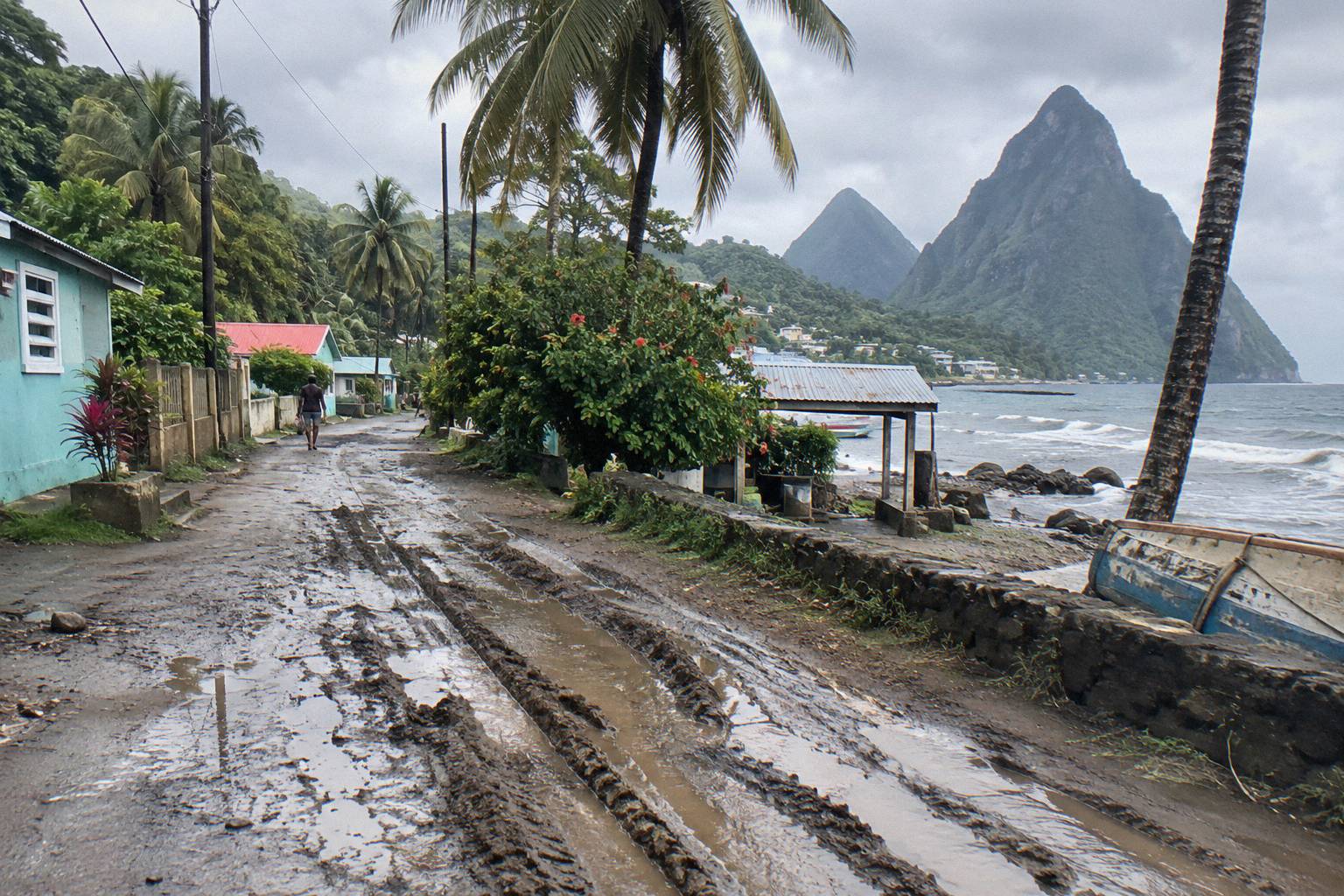
No published source states trail conditions by month or rates mud, dust or wetness on any specific route, so any confident month-by-month mud forecast you read elsewhere is invented. What the official guidance does say is to wear light layers suitable for dust, mud and changing terrain, which tells you the ground can be any of those things at any time of year.
That single phrase from the Tourism Authority's off-road advice is the clearest summary available. The Authority's "Know Before You Go" section for off-road tours recommends sturdy sneakers or hiking sandals, light layers suitable for dust, mud and changing terrain, and sunscreen and hats for open-top vehicles. Dust appears in the same breath as mud, which is the point: a trail that is parched and dusty in April can be soft and wet in September, and a single afternoon shower can move a track from one state to the other even in the dry season.
Rainforest routes deserve special mention only because the Authority says the rainforest collects more rainfall than the coast. The Soufriere-area rides from MJ Wheelers, whose options include the Nature Ride, the Bonding with Nature rainforest tour, the 2 Hour Beach Ride and the 3 Hour Beach and BBQ Ride, involve river crossings, and a river crossing is by definition a wet feature of the route, whatever the weather does that day. None of that makes the ride worse; it makes it a different ride. Riders who want the driest possible experience should simply weigh the dry-season months and coastal or plantation routes, and riders who like the idea of wet dirt should stop fighting the calendar.
Gear, at least, is fully within your control, and the full packing question has its own guide. The short version, drawn from the official wording rather than folklore, is below.
What Should You Wear If It Might Rain?
Official guidance says sturdy sneakers or hiking sandals, light layers suitable for dust, mud and changing terrain, and sunscreen and hats for open-top vehicles. Nothing in the official or operator pages recommends waterproofs by name, so the practical read is to dress for ground that changes under you and a sky that may follow.
The layer advice rewards a second look. "Light layers" works in both directions: a long-sleeved light layer keeps sun off on an open-top ride and takes the edge off a driving shower, and it can be tied around a waist when the sun returns. The same official page that gives this advice also frames the vehicle choice as a weather decision, describing guided 4x4 jeep tours as a more relaxed experience and ATVs as a closer connection to the terrain. In rain terms, that translates loosely into exposure: a quad rider feels every drop, a side-by-side UTV offers a cage and seats, and an open-top jeep still leaves you sky-facing but puts someone else on the controls.
| Official or operator wording | What it means for a wet-day ride |
|---|---|
| Sturdy sneakers or hiking sandals | Grip matters more than dryness; closed shoes protect against mud and footpegs |
| Light layers suitable for dust, mud and changing terrain | Expect the ground and the weather to shift within one ride |
| Sunscreen and hats essential for open-top vehicles | Sun returns quickly after showers, so cover stays on all day |
| Helmets and protective gear provided and must be worn (+Venture ATV rules) | Head coverage is the operator's job on that ride, not yours to pack |
Note the last row carefully. Helmets are listed as included on only two rides among those covered here: +Venture ATV names helmets and protective gear, and the Jeep And Zipline Adventure lists use of a helmet. For every other tour the booking data says nothing about helmets, and the sensible line is to ask the operator about gear when you book rather than assume either way. The same rule applies to clothing specifics: no operator page publishes a rain-suit policy, so a quick question to the booking desk settles it.
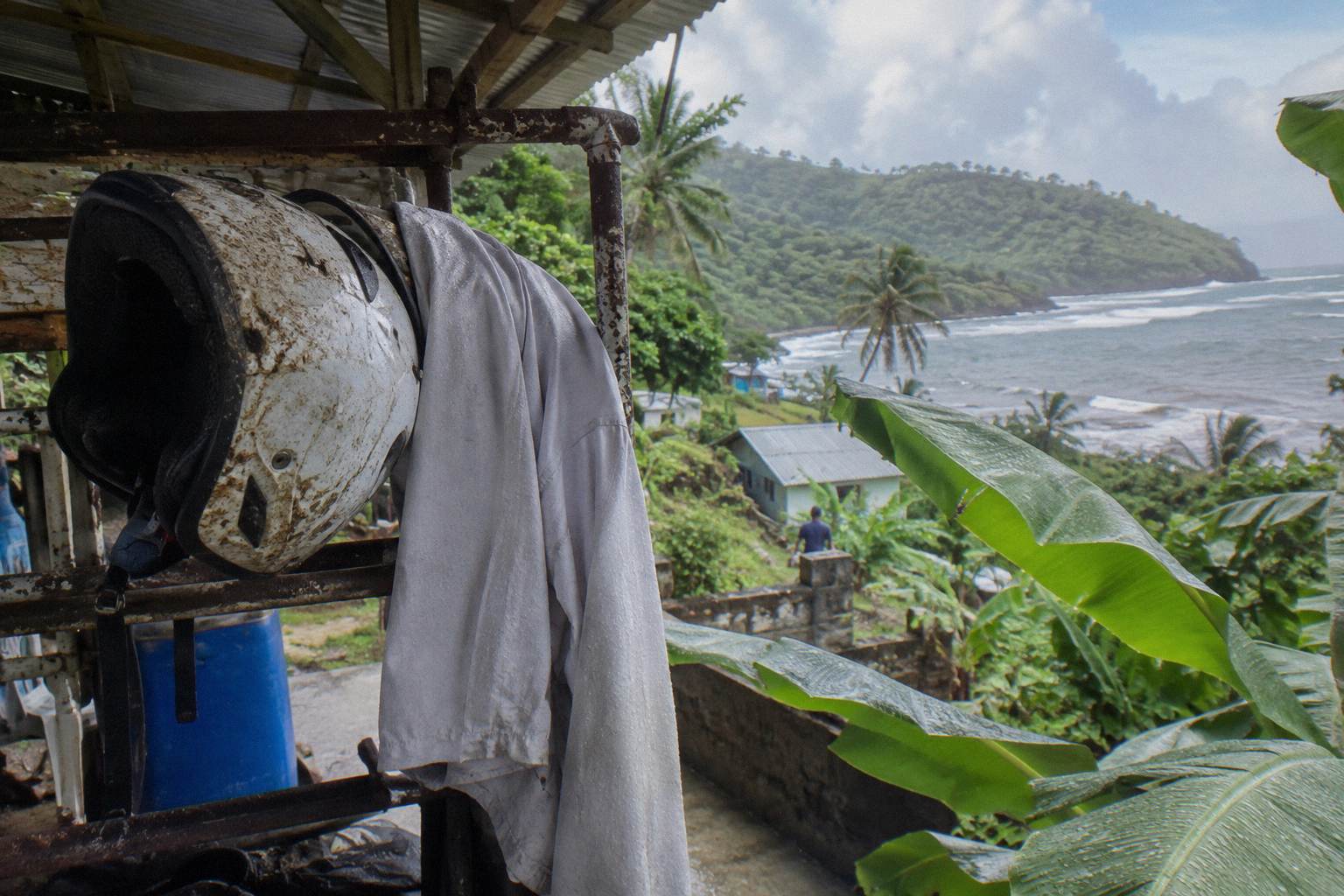
For riders drawn to the wetter, greener end of the calendar, the Soufriere rainforest ride is the most weather-exposed and most rain-adjacent option of the rides covered here, with river crossings named by the operator itself.
Which Vehicle Copes Best With A Wet Day?
The Tourism Authority frames it directly: ATVs give a closer connection to the terrain, while guided 4x4 jeep tours are the more relaxed experience. In rain terms, a quad exposes you fully, a UTV side-by-side adds a cage and a second seat, and a jeep safari is a passenger ride where a driver and guide handle the conditions.
That hierarchy is about exposure, not capability. All three formats run on the island's trails year round, and nothing in the booking data suggests any format stops for the season. The difference is how much weather reaches you. A quad rider steers through whatever the trail offers, feeling the mud, the dust and the rain directly, which is either the appeal or the deal-breaker. A UTV such as the Le Blanc adventure from Morne Le Blanc in Laborie seats riders side by side behind a frame, includes lunch, drinks and a Shabousha Beach stop in Choiseul, and runs 2 to 4 hours from US$250 per person. The booking page does not publish who drives the UTV, so ask the operator who drives.
Jeep safaris sit at the sheltered end, with the caveat that they are open-top, so "sheltered" means someone else is driving, not that you are indoors. The Jeep And Zipline Adventure from Island Adventures St. Lucia, 6 to 7 hours from US$165 per person and rated 4.9 from 246 reviews, includes hotel or port pickup and drop-off, all activities, helmet use and refreshments, and pairs an open-top safari jeep with 12 zip lines and a waterfall stop the operator itself describes as seasonal, so no flow is promised. The Island Routes volcano safari, about 5 hours 30 minutes from US$165.85 per person and rated 4.7 from 95 reviews, runs down the coast to Soufriere with a buffet lunch, a Marigot Bay stop and the sulphur springs, but it carries an all-sales-final tag rather than free cancellation, which matters more in a wet week than a dry one. The full off-road comparison around Soufriere works through the same choice in more depth.
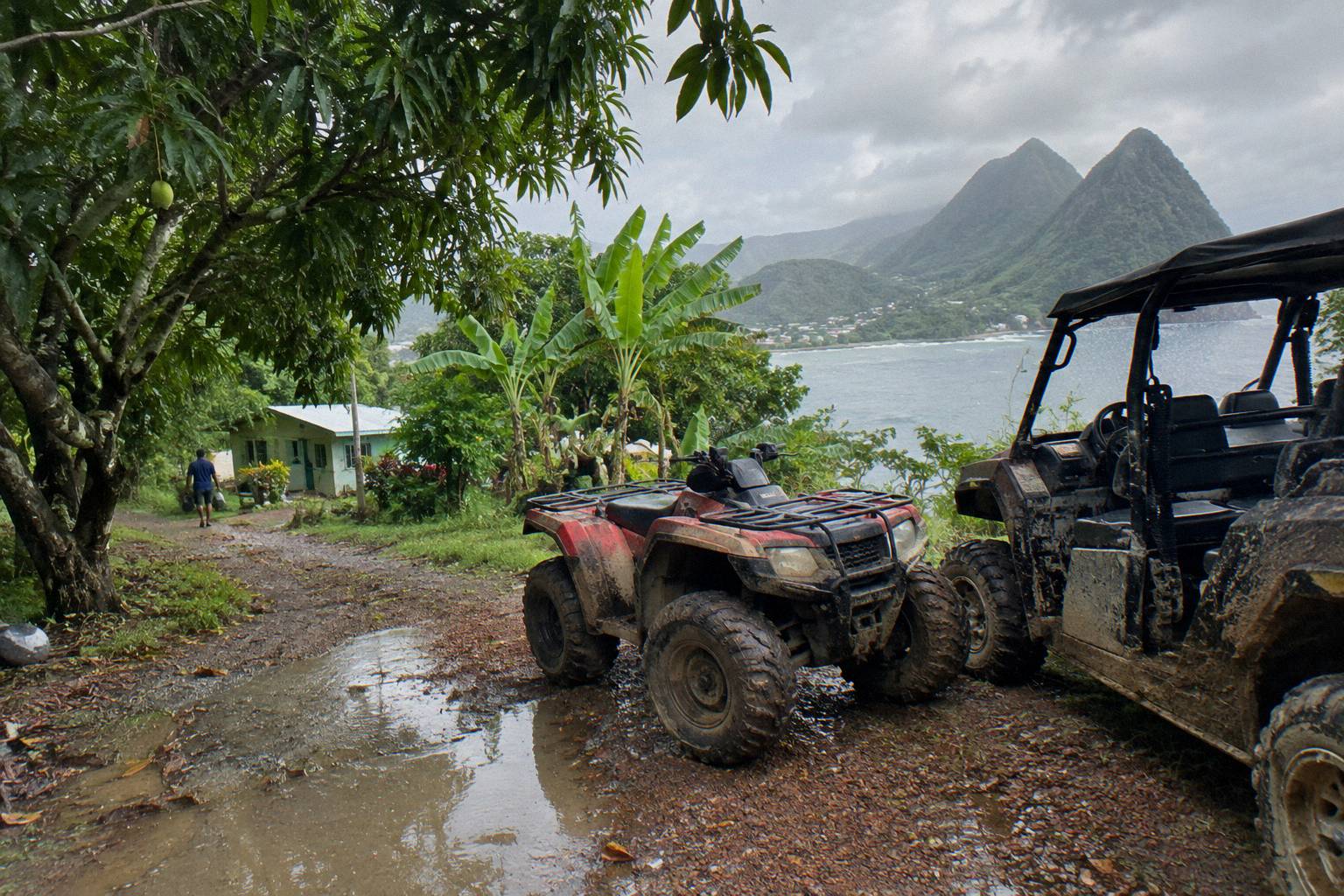
For travellers who like the wet-season idea but want some structure around it, the plantation-and-waterfall combo from Anse La Raye splits the difference: a shared quad ride with helmets listed as included, a waterfall entrance fee, a farm tour and a distillery tour in the price, from US$135 per person, rated 4.9 from 448 reviews, with free cancellation up to 24 hours before.
What Happens To Your Booking If It Rains?
Free cancellation up to 24 hours before applies to the quad, UTV, buggy and Island Adventures rides covered here, while the two Island Routes jeep safaris are all sales final with no refund. Weather-cancellation terms live on each booking page, and only Aanansi and Le Blanc carry a weather-cancellation flag in the booking data, so no page here can promise you a refund for rain.
The distinction matters most for fly-drive travellers in the wet season, when a forecast can swing inside a week. The flexible list is long: Aanansi ATV Tours, +Venture ATV, MJ Wheelers, St Lucia Travel And Tours, Island Taxi And Tours, Le Blanc Hideaway & Tours, the Northern Sights buggy tour, the Jeep And Zipline Adventure and the Private Half-Day Jeep Wrangler Tour all carry free cancellation up to 24 hours before on their booking pages. The two Island Routes safaris do not, and that rigidity is worth pricing in when you book anything months ahead of an autumn trip.
| Ride | Cancellation terms | Weather flag in booking data |
|---|---|---|
| MJ Wheelers Soufriere ATV | Free cancellation up to 24 hours before | Not flagged |
| Aanansi Marquis Estate ATV | Free cancellation up to 24 hours before | Weather-cancellation flag; terms on the booking page |
| Le Blanc UTV Adventure | Free cancellation up to 24 hours before | Weather-cancellation flag; terms on the booking page |
| +Venture ATV Anse La Raye | Free cancellation up to 24 hours before | Not flagged |
| Island Routes volcano jeep safari | All sales final, no refund | Not flagged |
| Island Routes rainforest hike safari | All sales final, no refund | Not flagged |
Read that middle column literally. A weather flag means the booking data references weather in the cancellation wording; it is not a promise of a refund, a reschedule or a rain check, and the actual terms sit on the booking page. The absence of a flag, equally, does not mean a ride runs regardless of weather; it means the data says nothing. Whatever the row, the one question worth asking the booking desk is what happens on the day if the operator decides conditions are not right, and the answer to that is never printed anywhere on the booking pages.
What About Hurricane Season?
The Atlantic hurricane season runs June 1 to November 30, overlapping the rainy season almost exactly, and the 1991 to 2020 average is 14 named storms, 7 hurricanes and 3 major hurricanes basin-wide. Saint Lucia's Tourism Authority lets travellers cancel or reschedule before arrival at no cost.
The storm averages come from the National Hurricane Center's climatology for the Atlantic basin, and they describe the whole basin, not Saint Lucia specifically, so they measure the season's general shape rather than the island's odds in any year. The seasonal overlap is the practical fact: the months with the highest island-wide rainfall are also the months when a tropical system is climatologically possible, which is why the Tourism Authority built its cancel-before-arrival terms into the booking landscape. Under those terms you can cancel or reschedule before arrival at no cost, a safety net that sits above whatever the individual tour booking page says.
Layering the two protections is the sensible play for a September or October trip. Book flights and accommodation with the Tourism Authority's cancel-before-arrival terms in mind, then book tours that carry their own 24-hour free cancellation, so a forecast that firms up two days out leaves you an exit at every level. The St Lucia Travel & Tours sugar plantation ride, from US$220 per person for about 2 hours with private transportation, bottled water and all fees and taxes included, is one of the flexible options if a plantation route with old sugar mill remains and an optional river hike fits your wet-season plan better than a rainforest loop.
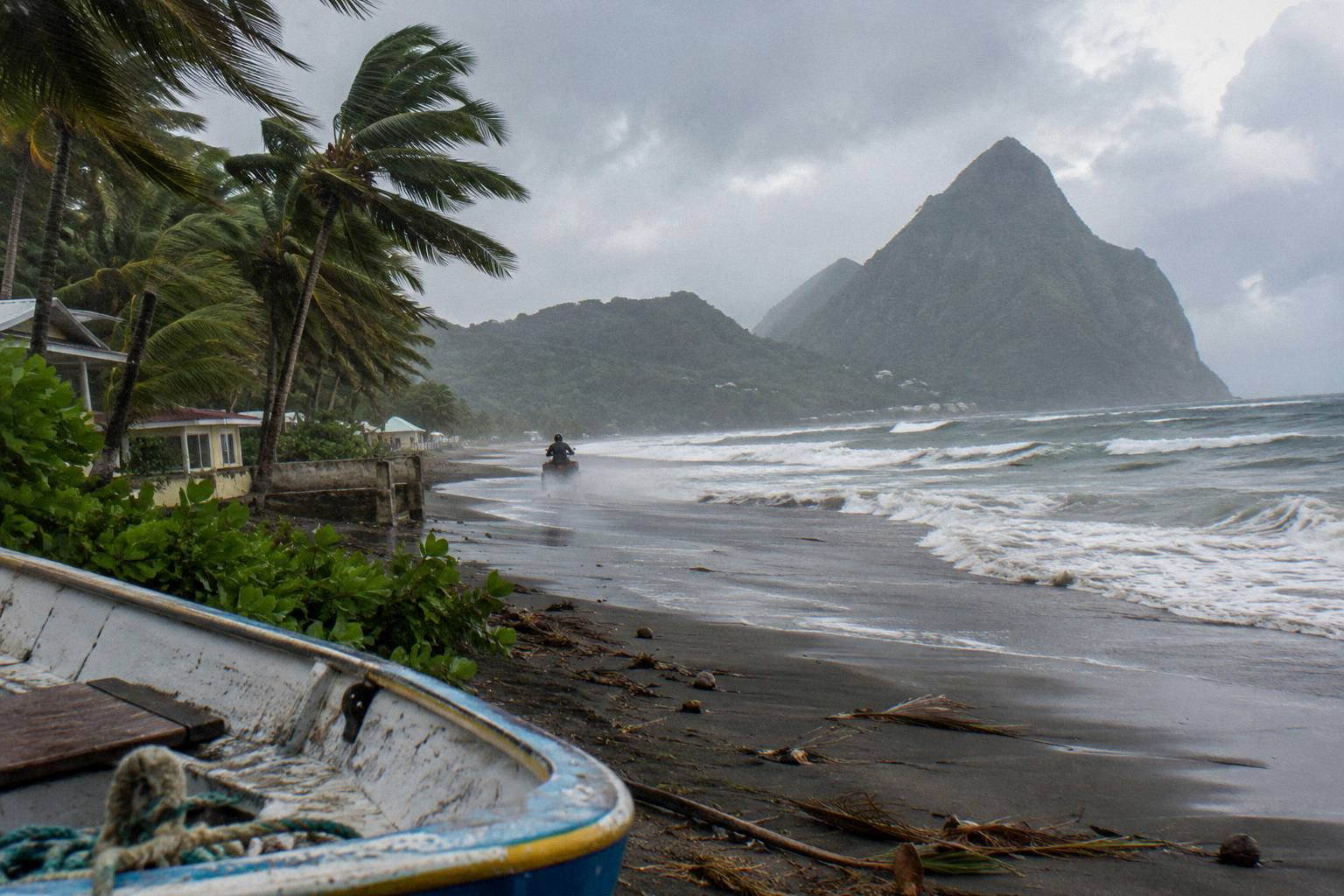
How Should You Choose, By Traveller Type?
Sun-seekers with fixed dates should weight the December-to-April dry season and flexible-cancellation rides; green-season travellers get quieter trails and lower crowds at the cost of higher rainfall averages; families and cautious riders should lean toward the side-by-side or jeep formats; and bargain hunters should book the 24-hour-flexible rides early and watch the forecast.
The matrix below turns the verified facts into a decision table. It deliberately avoids inventing any figure the sources do not hold: no mud rating, no trail condition, no rain-day promise. What it does is pair each traveller type with the season, the cancellation posture and the vehicle format that the facts support.
| Traveller type | Season to weight | Cancellation posture | Format that fits |
|---|---|---|---|
| Fixed-date sun seeker | December to April | Free cancellation 24 hours before is enough | Any, including open quad |
| Green-season returnee | June to November | 24-hour flexibility plus the Tourism Authority cancel-before-arrival terms on travel | Rainforest ATV with river crossings |
| Family with younger riders | Any | 24-hour flexibility, confirm age rules with the operator | UTV side-by-side or passenger jeep |
| Cruise passenger ashore for a day | October to April peak | Check the booking page's same-day terms before booking | Closest-departure ride, Castries or Gros Islet side |
One rider group deserves a direct word: the Tourism Authority states that off-road riding is not recommended for pregnant travellers or those with back conditions, full stop, with no seasonal qualifier. That guidance stands in the dry season too, and the Authority's off-road pages are the primary source for it. For everyone else, the seasonal question is comfort and wardrobe, not permission.
What Should You Ask The Booking Desk?
Ask five things before you pay: what the cancellation terms are if weather turns, what gear is provided versus brought, what the route does after heavy rain, what the age and licence rule is for drivers, and what the price is quoted in, since change is often given in Eastern Caribbean dollars even when you pay in US dollars.
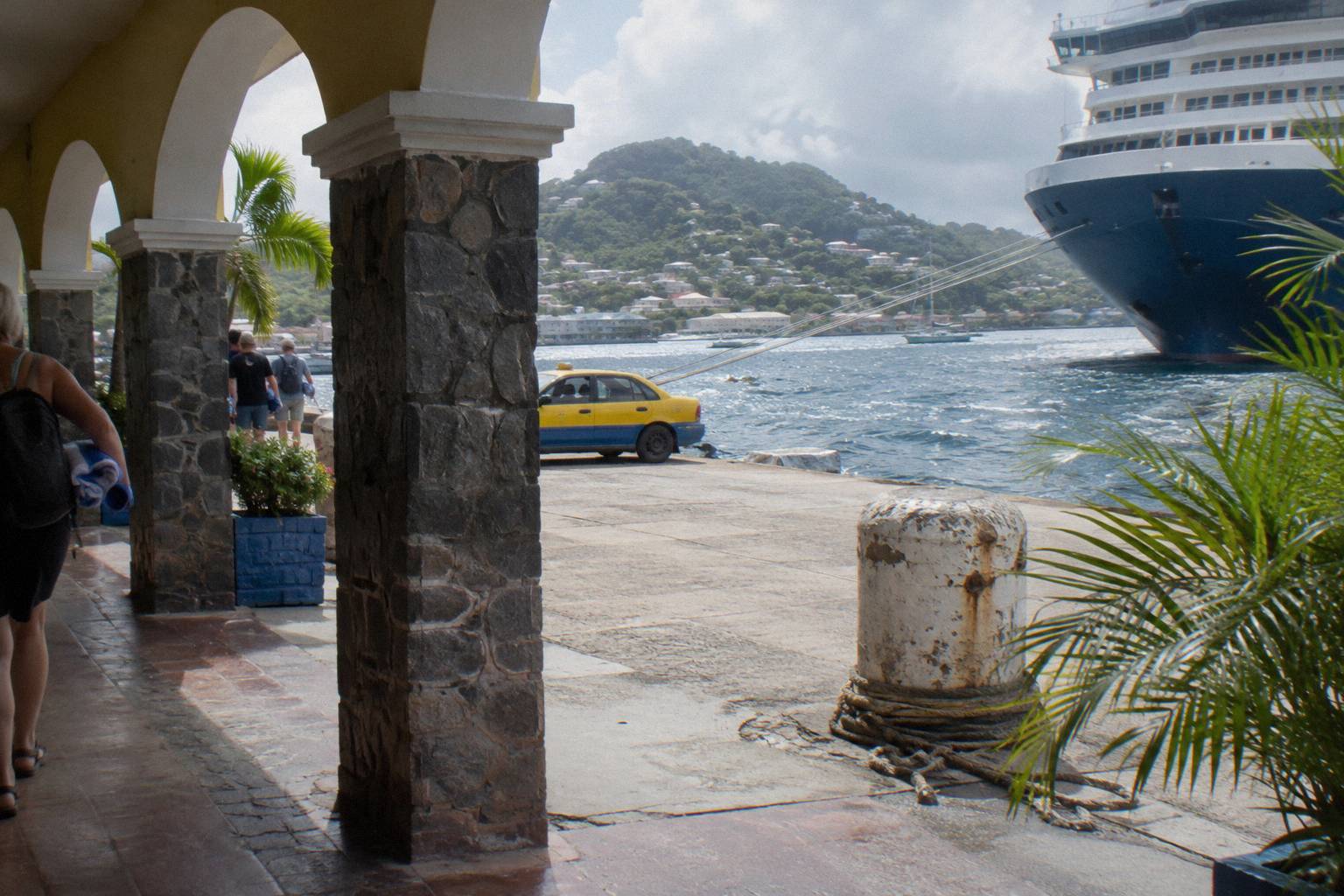
None of those five answers is reliably printed, which is exactly why they are worth asking. The currency point is the one travellers miss: the Eastern Caribbean dollar is pegged at EC$2.70 to US$1, US dollars are widely accepted by hotels, restaurants, tour operators and taxis, and change frequently comes back in EC dollars, so confirm which currency a price is in before you hand one over. The age point is equally standard: the Tourism Authority's line is that drivers must be 21 or over with a valid licence, and each operator sets its own rule on top of that, which is why the official guidance and the operator's own answer should both be checked. The full licence and age picture, including the temporary driving licence that applies when visitors drive on public roads, is covered in the dedicated age and licence guide.
On a guide like this one, the point of the checklist is not to doubt the operators, several of whom, such as Aanansi, publish their own safety briefing and riding instruction. It is that rain sits in the gap between what any booking page prints and what any forecast can promise, and a thirty-second conversation closes that gap better than a month of guessing from rainfall charts.
Common Questions About Rain, Mud And The Wet Season
When Is The Wet Season On Saint Lucia?
The Tourism Authority defines the rainy season as June to December, with the busiest visitor months, December to April, being the driest. Temperatures stay between 23 and 31 °C all year, and the Authority describes rainy-season showers as usually brief and followed by sunshine.
Does Rain Mean Mud On The ATV Trails?
No published source rates mud, dust or trail conditions by month for any specific route. The official guidance says to wear light layers suitable for dust, mud and changing terrain, which tells you the ground can be in any state at any time of year.
Do ATV Rides In Saint Lucia Run In The Rain?
Each tour's cancellation line is the only word on whether any ride runs or is cancelled in rain. Aanansi and Le Blanc carry a weather-cancellation flag in the booking data with terms on their booking pages, and most rides covered here offer free cancellation up to 24 hours before. Ask the operator when you book.
Which Months Have The Least Rain?
February to April are the driest months, and the dry season runs December to April. The wettest stretch is July through November. These are island-wide patterns, not trail readings.
What Does Hurricane Season Mean For A Booked Ride?
The Atlantic hurricane season runs June 1 to November 30, and the Tourism Authority lets you cancel or reschedule before arrival at no cost. On top of that, most rides covered here carry free cancellation up to 24 hours before on their booking pages.
What Should You Wear On A Wet-Day Ride?
Official guidance recommends sturdy sneakers or hiking sandals, light layers suitable for dust, mud and changing terrain, and sunscreen and hats for open-top vehicles. No operator publishes a waterproofs policy, so ask the booking desk if rain is forecast.